Ensalada de garbanzos looks deceptively simple on a menu, chickpeas, some diced vegetables, a splash of olive oil, but the gap between a great version and a forgettable one comes down entirely to execution. Searching “best ensalada de garbanzos near me” usually means you’ve had a mediocre version before: mushy beans, a watery dressing, or vegetables that had clearly been sitting since morning prep. This guide breaks down exactly what separates a properly made chickpea salad from a lazy one, and where to actually look depending on your city.
- Ensalada de garbanzos spans Spanish, Mediterranean, and Latin American traditions, each with distinct ingredient emphasis worth knowing before you order.
- Properly cooked chickpeas should be firm and tender, never mushy, and the dressing should be light enough to coat rather than drown the ingredients.
- Mediterranean and Spanish-focused restaurants consistently outperform generic “healthy” chains, since they treat the dish as a genuine tradition rather than a diet trend.
- Spanish versions often include tuna, salt cod, or hard-boiled egg and lean on sherry vinegar; Mediterranean versions lean more on cumin, sumac, and mint.
- Fresh daily preparation matters enormously here, since the vegetables and herbs define the dish far more than the chickpeas themselves.
- Reviews mentioning specific texture details, crisp vegetables, firm chickpeas, a light rather than oily dressing, are far more useful than star ratings alone.
What Ensalada de Garbanzos Actually Is
Ensalada de garbanzos is a chickpea salad built on tender cooked chickpeas, fresh diced vegetables, herbs, and a simple olive oil and citrus or vinegar dressing. The dish traces back thousands of years to Mediterranean Basin cuisine, where chickpeas have been cultivated for more than 7,000 years, becoming a staple across Spain, Greece, Italy, Turkey, and Morocco long before appearing on modern American menus.
Why the Recipe Shifts by Region
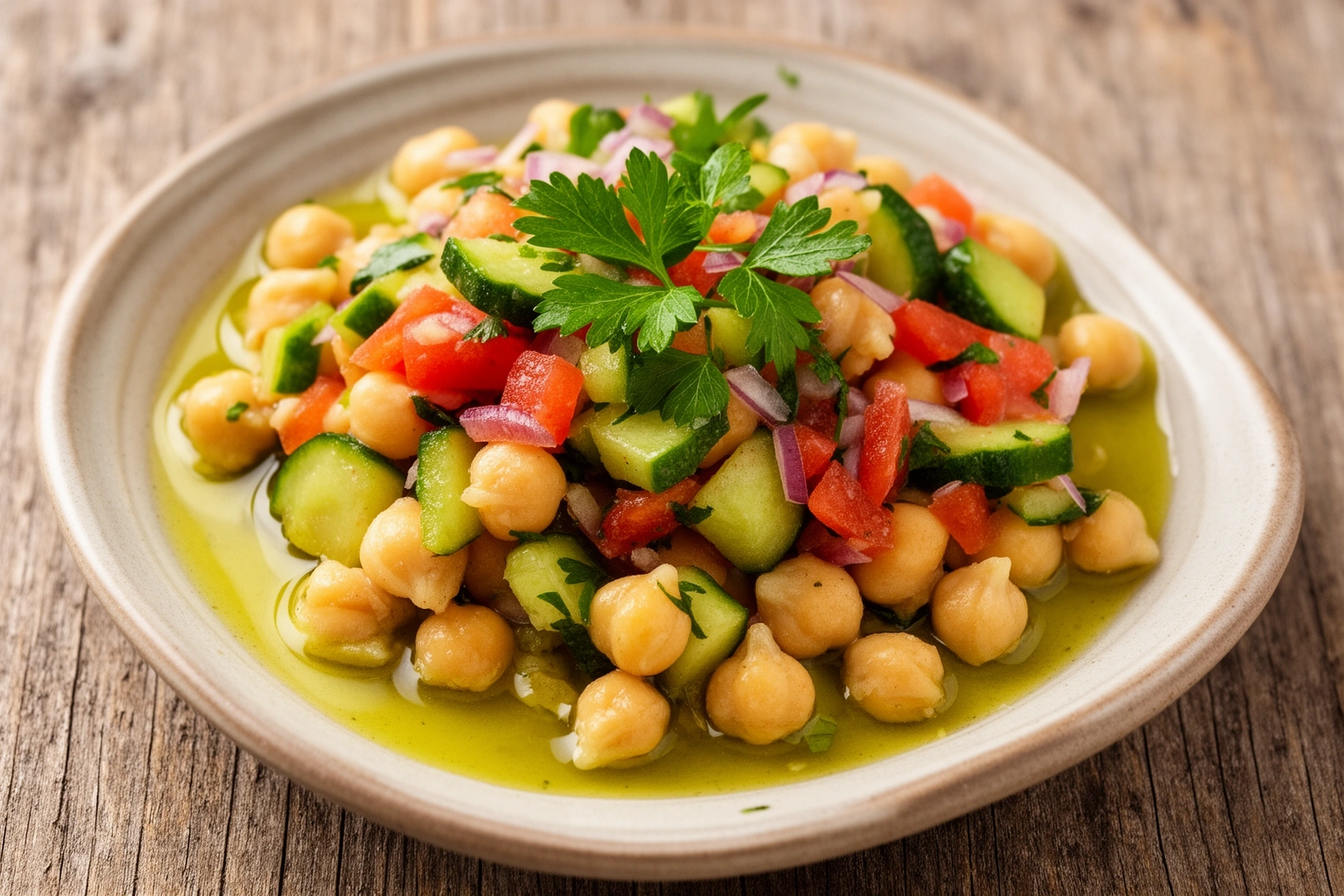
Spanish versions typically emphasize simplicity: chickpeas, tomatoes, onions, roasted red or piquillo peppers, olive oil, and sherry vinegar, sometimes finished with canned tuna, particularly ventresca, flaked salt cod, or hard-boiled egg, with flat-leaf parsley and occasionally a touch of smoked paprika for depth. Mediterranean and Middle Eastern versions lean more heavily on spices like cumin and sumac rather than the sherry-vinegar profile common in Spain. Latin American interpretations sometimes bring in avocado, lime, roasted corn, or spicy peppers, adapting the base recipe to local produce and flavor preferences. None of these variations is more “correct” than another, but knowing which tradition a restaurant is drawing from helps set the right expectations before you order.
How to Judge Quality Before You Order
Properly cooked chickpeas should be tender but firm, never mushy, and the dressing should coat the ingredients lightly rather than pooling at the bottom of the bowl. Vegetables need genuine crispness and color: dull, wilted greens or soft, watery tomatoes are the clearest signs a kitchen isn’t prioritizing same-day preparation.
The Texture Test
Bite into the chickpeas specifically before judging the rest of the dish; a properly prepared chickpea holds its shape and offers gentle resistance, while an overcooked one collapses into paste-like mush. Cucumbers and bell peppers should retain audible crunch, and onions should carry enough sharpness to brighten the dish without overwhelming every other flavor.
Reading the Dressing Correctly
A properly balanced dressing uses quality extra-virgin olive oil and fresh lemon juice or sherry vinegar in a genuinely emulsified mixture, light enough to enhance rather than drown the vegetables. A heavy, oily pool at the bottom of the bowl, or a dressing that tastes purely acidic without any real olive oil character, both signal a rushed or poorly balanced preparation.
Ask About Same-Day Preparation
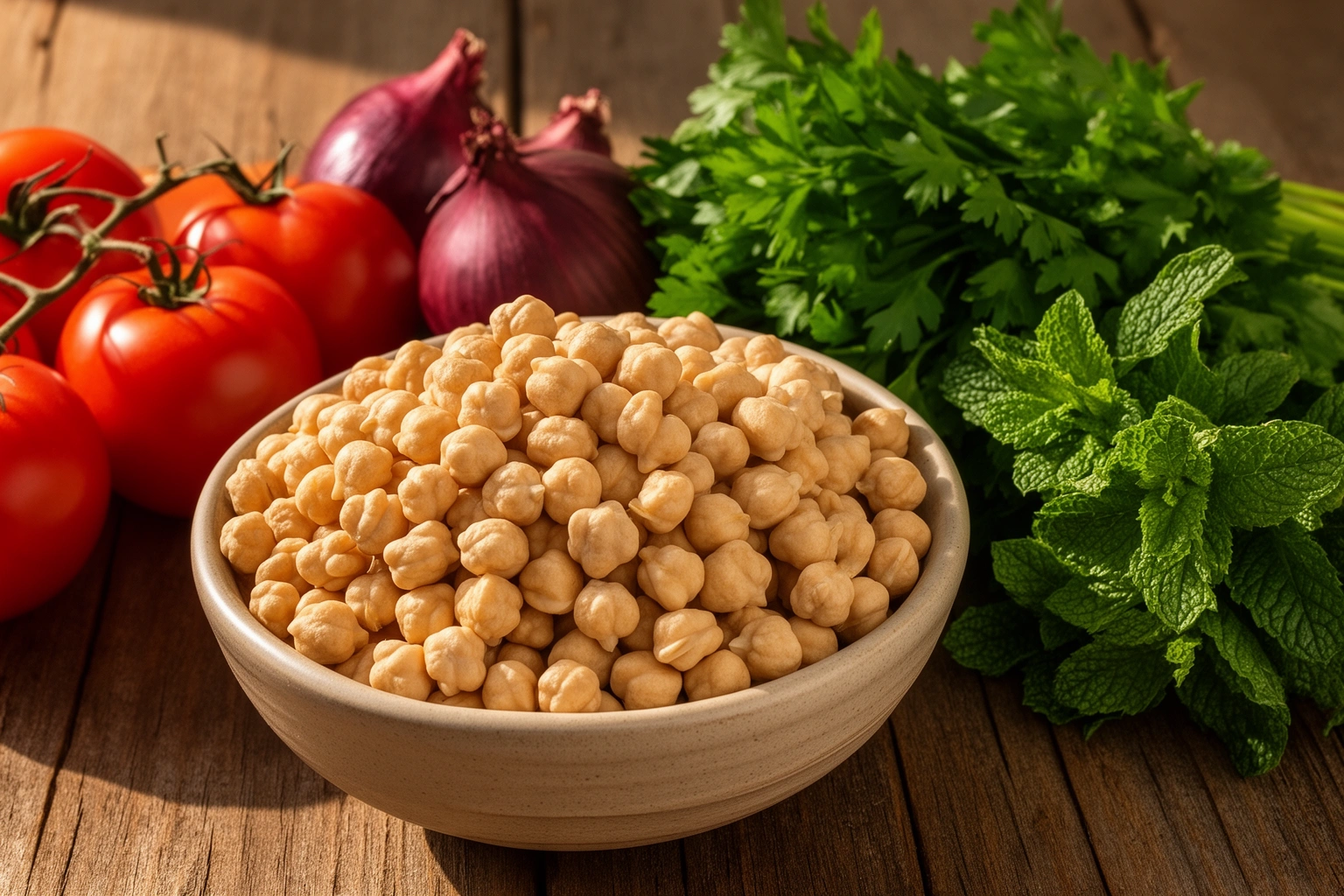
Because the vegetables and herbs define this dish far more than the chickpeas themselves, asking staff whether the salad is prepared fresh daily is one of the most useful questions you can ask before ordering. A kitchen that cooks chickpeas in-house rather than sourcing from a pre-cooked supplier, and that sources herbs locally when possible, is signaling real attention to a dish that’s easy to phone in.
Where to Look, by Restaurant Type
Mediterranean and Spanish-focused restaurants consistently produce the most authentic versions, since these kitchens treat the dish as an established tradition rather than a diet-trend afterthought. Health-focused chains and modern salad bars can still deliver a solid version, but they more frequently substitute quality for convenience, using pre-cooked, less flavorful chickpeas or heavier, less balanced dressings.
Mediterranean Restaurants and Tapas Bars
Restaurants specializing in Mediterranean cuisine typically serve ensalada de garbanzos as part of a mezze platter or dedicated side dish, prepared with genuine attention to the olive oil and herb balance that defines the tradition. Spanish tapas bars are equally strong options, particularly ones that also serve other traditional dishes like patatas bravas or tortilla española, since that broader menu commitment signals a kitchen that understands the cuisine rather than treating one dish as a novelty.
Health-Focused Chains and Modern Salad Bars
Chains built around customizable, health-conscious bowls can deliver a genuinely good version, particularly when they emphasize seasonal, non-GMO ingredients and let you control add-ins directly. These spots are convenient and consistent, though the flavor complexity tends to fall short of a kitchen specifically built around Mediterranean or Spanish traditions, since the emphasis leans toward customization over craft.
Farmers’ Markets and Food Trucks
Vendors at farmers’ markets frequently serve genuinely fresh, seasonal versions made with garden-fresh chickpeas and locally sourced vegetables, often at a lower price point than a sit-down restaurant. Food trucks specializing in Latin American or Mediterranean cuisine sometimes offer regional twists, chili-lime finishes, smoky chipotle additions, or cotija cheese, that add character while staying rooted in the core chickpea-and-vegetable formula.
Grocery Store Prepared Food Sections
Some grocery stores, particularly those in areas with a strong Spanish or Mediterranean community, offer house-made chickpea salads in their prepared food sections that genuinely rival restaurant quality. Ethnic markets specifically catering to Spanish or Mediterranean shoppers are worth checking directly, since they often stock fresher, more traditional versions than a mainstream supermarket deli counter.
How to Search and Read Reviews Effectively
Search the dish name directly alongside your city rather than a generic “healthy restaurant” query, and prioritize reviews that mention specific texture and freshness details over star ratings alone. Reviews mentioning crisp vegetables, firm chickpeas, and a light rather than oily dressing are far more useful than a simple four- or five-star rating without detail.
Using Photos to Pre-Screen a Restaurant
Customer-uploaded photos frequently reveal freshness and portion details a menu description can’t. Look specifically for vibrant, distinct colors, deep red tomatoes, crisp green herbs, glossy but not oil-drowned chickpeas, since these visual cues are hard to fake and reflect genuine ingredient quality.
Asking Locals and Food Communities
Local food groups on social media, and direct recommendations from friends or coworkers who know Spanish or Mediterranean food well, often surface small, family-owned spots that don’t rank highly in generic searches but consistently outperform larger chains on flavor and freshness.
Is Ensalada de Garbanzos a Healthy Choice?
The dish is a genuinely strong nutritional choice, delivering plant-based protein, fiber, healthy fats from olive oil, and vitamins from fresh vegetables in a single bowl. A typical serving runs roughly 220 to 300 calories depending on portion size and dressing amount, making it a reasonably light option compared to heavier, cream- or cheese-based salads. The fiber content specifically helps slow digestion, which can reduce the urge to snack later, a meaningful advantage over more processed lunch options.
Watch Portion Size and Add-Ins
Some restaurant versions use heavier amounts of oil, cheese, or salty toppings than a traditional recipe calls for, which doesn’t make the dish unhealthy but does shift its nutritional balance meaningfully. Diners with specific dietary restrictions should check for added seafood, cheese, or sauces, since these appear more frequently in modern or fusion interpretations than in traditional Spanish versions.
Making It at Home
A solid homemade version starts with properly cooked, firm chickpeas, fresh diced vegetables added just before serving, and a simply emulsified olive oil and citrus or vinegar dressing. Using dried chickpeas soaked and cooked until tender but still holding their shape produces a noticeably better texture than canned chickpeas, though canned versions work well in a pinch if rinsed thoroughly. Letting the salad rest briefly, sometimes even overnight in the refrigerator, allows the flavors to meld more fully, and many people find the taste actually improves after a few hours as the dressing absorbs into the ingredients.
Check These Related Articles
- Best Locro De Zapallo Near Me: Complete City Guide
- Best Cocido Gallego Near Me: Complete City Guide
- Best Pollo Al Chilindron Near Me: City By City Guide
- Ftasiatrading Technology News By Fintechasia: Fact Check
- Techinsiderz Com Gadgets: What Each Domain Reviews
Judging a chickpea salad the right way uses the same instincts as tracking down an authentic bowl of locro de zapallo: focus on texture and freshness details in reviews rather than star ratings, target kitchens that specialize in the specific cuisine rather than a general healthy-eating label, and don’t overlook the small, family-run spots and farmers’ market vendors that rarely dominate a generic search.
Frequently Asked Questions
What exactly is ensalada de garbanzos?
It’s a chickpea salad built on tender cooked chickpeas, fresh diced vegetables, herbs, and a simple olive oil and citrus or vinegar dressing, rooted in Spanish and broader Mediterranean cuisine.
How does ensalada de garbanzos differ by region?
Spanish versions often include tuna, salt cod, or hard-boiled egg with sherry vinegar. Mediterranean versions lean more on cumin and sumac, while Latin American takes may add avocado, lime, or roasted corn.
How can you tell if a restaurant’s chickpea salad is well-made?
Chickpeas should be tender but firm, never mushy, and the dressing should coat the ingredients lightly rather than pooling at the bottom of the bowl.
Where is the best place to find an authentic version?
Mediterranean restaurants, Spanish tapas bars, farmers’ market vendors, and prepared food sections at ethnic grocery stores are generally the most reliable sources.
How many calories does ensalada de garbanzos typically have?
Roughly 220 to 300 calories per serving depending on portion size and dressing amount, making it a relatively light, protein- and fiber-rich meal.
What’s the key to making a good version at home?
Use dried chickpeas soaked and cooked until tender but still firm, add fresh vegetables just before serving, and keep the dressing simple: olive oil, citrus or vinegar, and fresh herbs.
Is ensalada de garbanzos a healthy choice?
Yes, generally. It offers plant-based protein, fiber, and healthy fats from olive oil, though portion size and heavier add-ins like cheese or extra oil can shift the nutritional balance.
Does ensalada de garbanzos taste better after sitting for a while?
Yes, many versions actually improve after resting in the refrigerator for a few hours, as the dressing absorbs more fully into the ingredients.