Locro de zapallo is one of those dishes that gets called “pumpkin soup” on menus that have no business calling it that. The real version is thick, golden, and built from squash, corn, potatoes, and cheese, simmered until the vegetables break down into a naturally creamy base. Searching “best locro de zapallo near me” means you already know it’s not a thin bisque, and you’re trying to find the kitchen that actually treats it with the patience it needs.
This guide breaks down what real locro de zapallo should taste like, the country-by-country variations worth knowing, and exactly where to look depending on which city you’re searching from.
- Locro de zapallo is an Andean pumpkin stew found across Peru, Ecuador, Bolivia, and Argentina, each with its own regional variation worth knowing before you order.
- Authentic versions are thick and rustic, never watery or overly blended smooth, with visible corn, potato, and squash texture throughout.
- New York, Miami, Los Angeles, Chicago, and Houston have the strongest Peruvian, Ecuadorian, and Bolivian communities and the best odds of finding it done properly.
- Family-owned restaurants consistently outperform fusion concepts for authenticity, since the dish depends on patient, slow cooking rather than presentation.
- Watch specifically for butternut squash substitutions that thin out the broth; genuine zapallo produces a denser, more velvety texture.
- Argentine versions lean toward chorizo and beef with hominy, while Peruvian and Ecuadorian versions lean more vegetable- and cheese-forward.
What Locro de Zapallo Actually Is
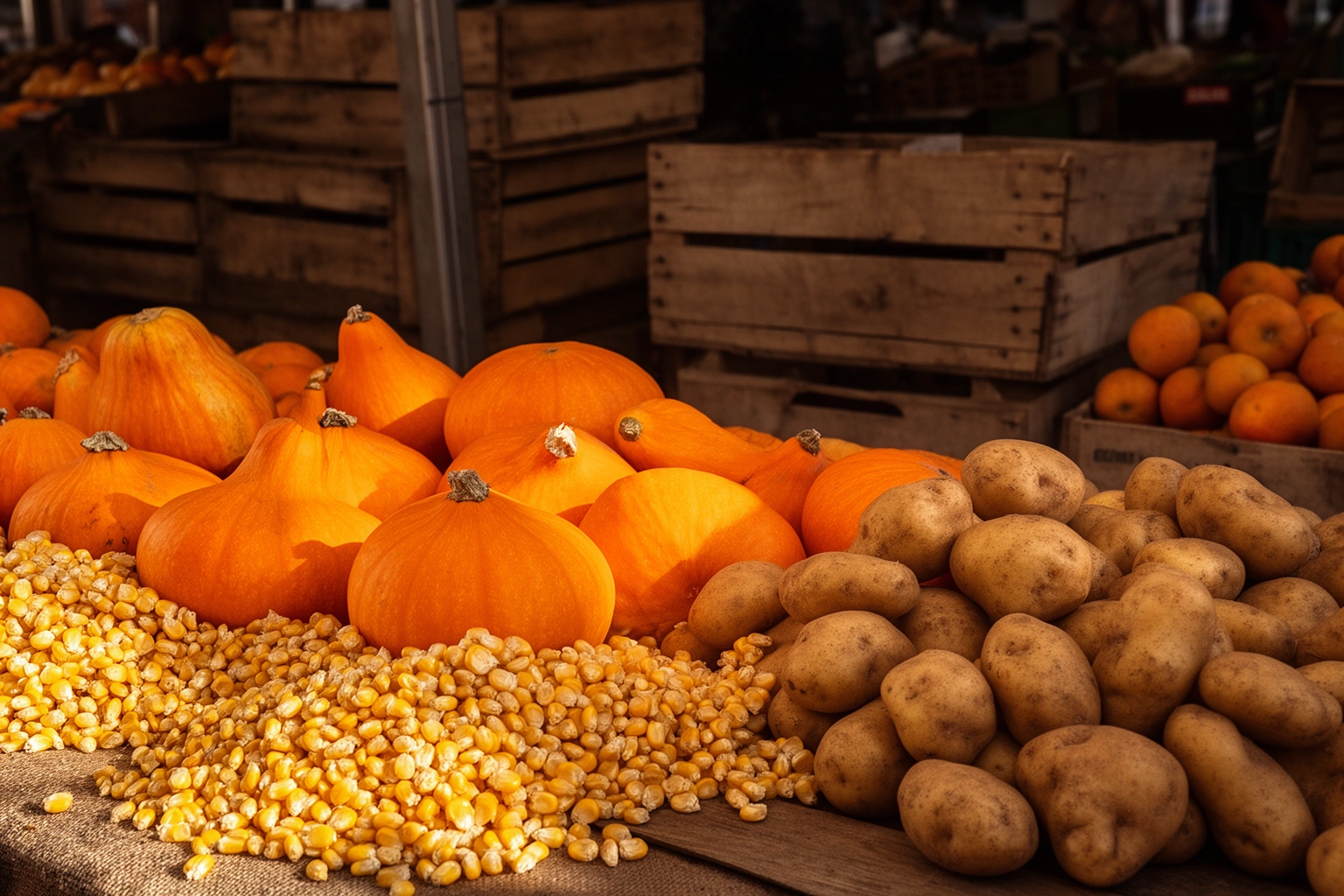
Locro de zapallo is a thick Andean stew built on zapallo squash, corn, and potatoes, slow-cooked until the vegetables break down into a naturally creamy, velvety base. The word “locro” comes from Quechua and simply means a thick, slow-cooked stew, while “zapallo” refers to the Andean winter squash that forms the dish’s foundation. It traces back to indigenous Andean cooking traditions predating Spanish colonization, later absorbing some Spanish culinary influence over centuries without losing its core identity.
Why It Varies So Much by Country
Peru treats locro de zapallo as something close to a national comfort dish, often served in home-style “comida criolla” or “comida casera” restaurants and taught in cooking schools. Ecuador’s version, sometimes called locro de papa in its potato-forward form, still frequently includes zapallo, particularly in highland regions, often finished with cheese and avocado. Argentina’s rendition leans heavier and meatier, built with white corn (mote), beans, chorizo, and beef, and is closely associated with patriotic holidays like May Revolution Day on May 25, when it becomes a symbol of national identity rather than just a comfort food. Bolivia has its own closely related stew traditions sharing much of the same Andean DNA.
How to Judge Quality Before You Order
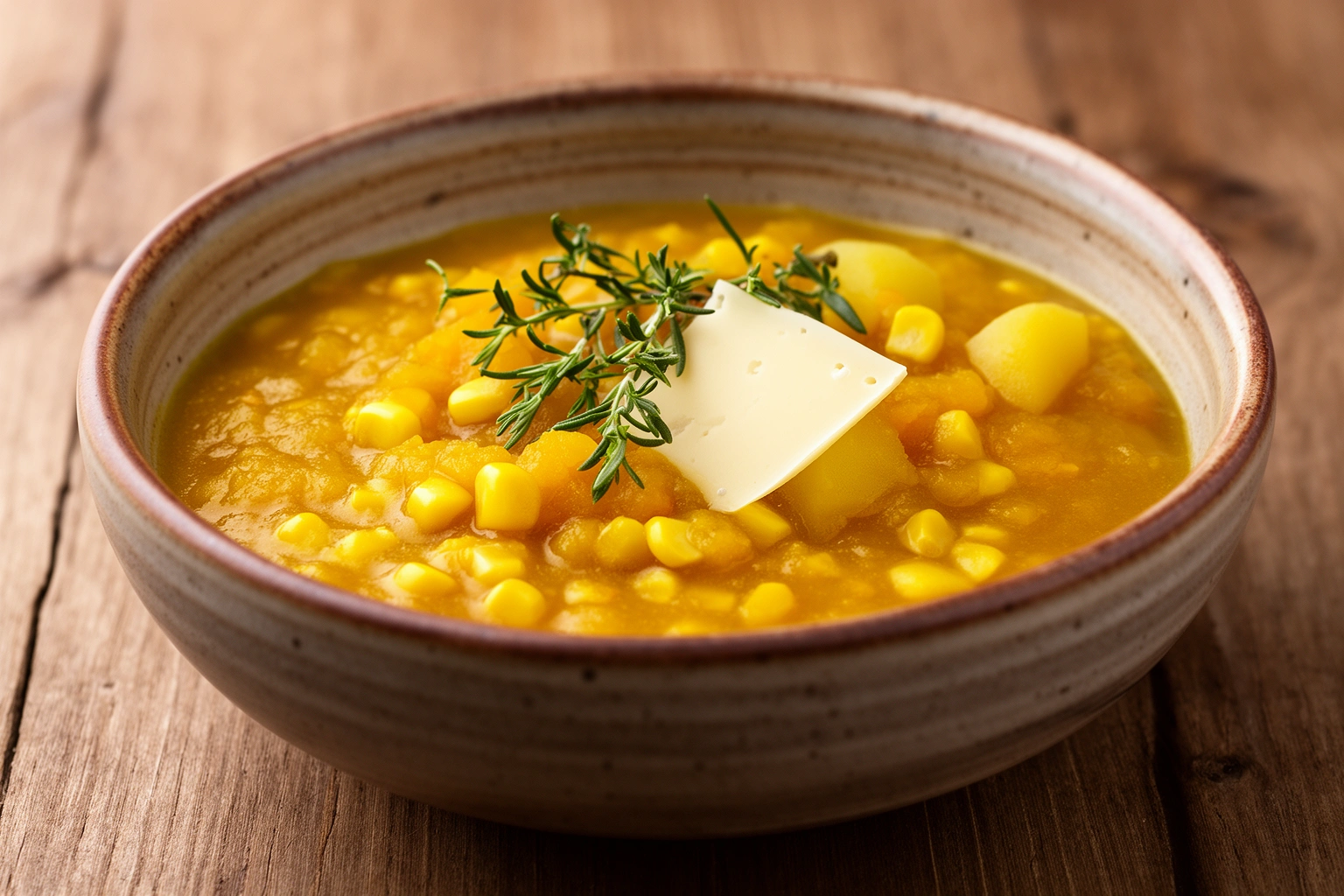
A properly made locro de zapallo should be thick and rustic with visible texture from corn, potato, and squash, never thin, watery, or blended into a smooth bisque. The color should be a deep golden-orange, and the aroma should carry genuine squash sweetness balanced against savory cumin, garlic, and onion.
The Squash Substitution Problem
One of the most common shortcuts restaurants take is substituting butternut squash for genuine zapallo, which produces a noticeably sweeter, thinner broth than the real thing. A documented case from a food blogger who visited seven Peruvian restaurants over two months found that three served a version using butternut squash with the wrong seasoning and texture entirely, while only two, both family-run with over a decade of history, sourced proper zapallo and simmered it low and slow for over an hour with fresh ají amarillo paste made from real chilies rather than a jarred concentrate. That kind of detail, real chilies versus jarred paste, proper squash versus a convenient substitute, is exactly what separates a memorable bowl from a forgettable one.
What Reviews Should Actually Mention
Look for reviews specifically describing the dish as “authentic,” “homemade,” or comparing it directly to a version eaten in Peru, Ecuador, or Bolivia. Reviews flagging a “bland” or “watery” locro are a legitimate warning sign worth taking seriously, since thinness and blandness are the two most common failures in a rushed or substituted version.
Where to Look, City by City
New York, Miami, Los Angeles, Chicago, and Houston have the strongest concentrations of Peruvian, Ecuadorian, and Bolivian restaurants, giving each city meaningfully different odds and neighborhoods to target.
1. New York City
Jackson Heights in Queens stands out specifically for its concentration of Andean restaurants that import squash and use traditional methods to keep the flavor balanced correctly. This neighborhood, more than any single restaurant citywide, is the most reliable starting point for genuinely traditional locro de zapallo in New York.
2. Miami
Miami’s large South American community supports numerous restaurants competing specifically on authenticity and ingredient freshness for dishes like this one. Restaurants that explicitly market themselves around Peruvian or Andean heritage, rather than general Latin American fusion, tend to deliver more traditional results here.
3. Los Angeles and Southern California
Family-run eateries in strip malls across Southern California frequently serve genuinely authentic locro de zapallo, using local produce while preserving the dish’s traditional soul. These unassuming, easy-to-overlook spots often outperform larger, more visible restaurants specifically because they’re cooking for a local Andean community rather than a broader audience.
4. Chicago and Houston
Both cities have strong, growing Peruvian communities supporting multiple restaurants capable of preparing the dish properly. As with the other cities on this list, restaurants explicitly identifying as Peruvian, Ecuadorian, or Bolivian, rather than generic “Latin American,” are the more reliable target.
5. Smaller Cities and Informal Networks
In cities without a dedicated Peruvian or Andean restaurant, informal networks fill the gap: home cooks advertise on grocery store bulletin boards, WhatsApp groups, and local Facebook groups, and South American community organizations often know exactly which weekend markets or pop-up vendors sell genuinely traditional versions. These informal but skilled operations frequently outperform any restaurant search, especially in cities with smaller but tight-knit South American communities.
How to Search More Effectively
Searching the dish name directly alongside your city, rather than a broader “Peruvian restaurant near me” query, surfaces restaurants confident enough in their version to have it show up specifically in reviews. Check Google Maps reviews specifically mentioning the dish by name and describing texture, and treat direct comparisons to a version eaten in Peru or Ecuador as a strong positive signal.
Using Festivals and Community Events
Latin American food festivals, and specifically Peruvian Independence Day celebrations on July 28, frequently feature pop-up stalls and vendors serving traditional versions of this dish outside of any restaurant’s regular menu. These events are also a low-risk way to sample multiple regional variations, Peruvian, Ecuadorian, Bolivian, and Argentine, side by side in a single visit.
Delivery Apps as a Backup Option
If no nearby restaurant serves it, filtering delivery apps by Peruvian or Latin American cuisine and searching menus directly for the dish name can surface options that don’t show up prominently in general search results. Some restaurants also sell frozen batches specifically meant to be reheated at home, a useful option for anyone living further from a dedicated Andean restaurant.
What Sets a Great Bowl Apart
Texture, aroma, and ingredient sourcing separate an excellent locro de zapallo from an average one far more than any single seasoning choice. The squash and potatoes should create natural thickness while retaining some rustic texture, never a fully smooth, blended consistency. The aroma should be rich immediately upon arrival, carrying the sweetness of the squash balanced against onion, garlic, and cumin.
Common Toppings and Sides
Simple toppings like fresh cheese, cilantro, or avocado slices often indicate a kitchen paying real attention to presentation and tradition rather than rushing the dish out. Fresh bread and simple side salads are common, though the dish is filling enough on its own that heavy additional sides are rarely necessary.
Is Locro de Zapallo a Healthy Choice?
The dish offers genuine nutritional value, built on fiber-rich pumpkin, energy-dense potatoes, and protein from cheese or added meat, and a fully vegetarian version is common and satisfying on its own. Pumpkin is particularly high in beta-carotene and vitamin A alongside its fiber content, while potatoes contribute complex carbohydrates. The plant-based nature of many traditional versions makes it a popular option for people specifically seeking global vegetarian or plant-forward cuisine, without needing meat to feel like a complete, filling meal.
Making It at Home When No Local Option Exists
Kabocha squash is the closest and most widely available substitute for true zapallo, producing a denser, more authentic texture than butternut squash. Latin American grocery stores are the best source for authentic ingredients like fresh ají amarillo, though canned pumpkin or butternut squash can work in a pinch if the flavor difference is an acceptable tradeoff. Slow cooking remains the single most important technique regardless of which squash variety is used: rushing the simmer time is the most common reason a homemade version turns out thin or underdeveloped in flavor.
Check These Related Articles
- Best Cocido Gallego Near Me: Complete City Guide
- Best Pollo Al Chilindron Near Me: City By City Guide
- Ftasiatrading Technology News By Fintechasia: Fact Check
- Techinsiderz Com Gadgets: What Each Domain Reviews
- Emergingtechs Net Stay Updated Always: What It Covers
The search strategy here mirrors what worked for tracking down an authentic bowl of cocido gallego: target restaurants that specialize in the specific regional cuisine rather than a broad label, read reviews for texture and authenticity rather than star ratings alone, and don’t overlook the small, family-run spots that rarely show up at the top of a general search.
Frequently Asked Questions
What exactly is locro de zapallo?
It’s a thick Andean stew made from zapallo squash, corn, and potatoes, slow-cooked until the vegetables naturally create a creamy, velvety base, often finished with cheese.
How does locro de zapallo differ between Peru, Ecuador, and Argentina?
Peru treats it as a national comfort dish with cheese and ahí amarillo, Ecuador’s version leans more potato-forward, and Argentina’s is heartier with chorizo, beef, and hominy corn.
Which US cities are best for finding authentic locro de zapallo?
New York’s Jackson Heights, Miami, Los Angeles and Southern California, Chicago, and Houston all have strong Andean communities and better odds of an authentic version.
What’s the most common shortcut restaurants take with this dish?
Restaurants often substitute butternut squash for real zapallo, which produces a sweeter, thinner broth. Genuine zapallo creates a denser, more velvety texture.
How can you tell if a restaurant’s version is authentic?
It should be thick and rustic with visible corn, potato, and squash texture, never watery or blended completely smooth, with a rich aroma of squash, onion, garlic, and cumin.
What’s the best substitute for zapallo if it’s hard to find?
Kabocha squash is the closest widely available substitute, producing a denser texture than butternut squash if true zapallo isn’t available.
Is locro de zapallo a healthy meal?
Yes. It’s rich in fiber and vitamin A from the pumpkin, with complex carbs from potatoes, and a fully vegetarian version is common and filling on its own.
Are there specific events where locro de zapallo is commonly served?
Peruvian Independence Day on July 28 and various Latin American food festivals throughout the year frequently feature pop-up vendors serving traditional versions.