Berenjenas con miel has a naming problem before you even walk into a restaurant. Menus abroad list it as “fried eggplant with honey,” “crispy aubergine,” or “Spanish eggplant,” which means searching the exact Spanish phrase can miss restaurants serving the exact dish under a different label entirely. Searching “best berenjenas con miel near me” usually means you already know the exact combination you want: thin, crispy fried eggplant, tender inside, finished with a drizzle of honey or dark cane syrup, and you’re tired of a soggy, overly sweet imitation.
This guide breaks down what actually separates an authentic version from an average one, why the honey choice matters more than most people realize, and how to search around the dish’s inconsistent naming.
- Berenjenas con miel is Andalusian fried eggplant finished with honey or, traditionally, miel de caña, a dark sugar cane syrup with deeper flavor than regular honey.
- The dish is often listed under other names, fried eggplant with honey, crispy aubergine, Spanish eggplant, so broadening your search terms matters.
- Málaga, Córdoba, and Granada are the strongest reference points for authentic versions, with Córdoba’s Judería neighborhood especially dense with tapas bars serving it.
- The dish traces to Moorish culinary influence on Andalusia, where sweet-and-savory combinations became a defining hallmark of regional cooking.
- A great version has thin, crisp, non-greasy eggplant with a soft interior; soggy or dark-colored eggplant is the clearest sign of overcooking.
- Some traditional recipes use chickpea flour instead of wheat flour for extra crunch, a detail worth asking about if you want the most authentic texture.
What Berenjenas con Miel Actually Is
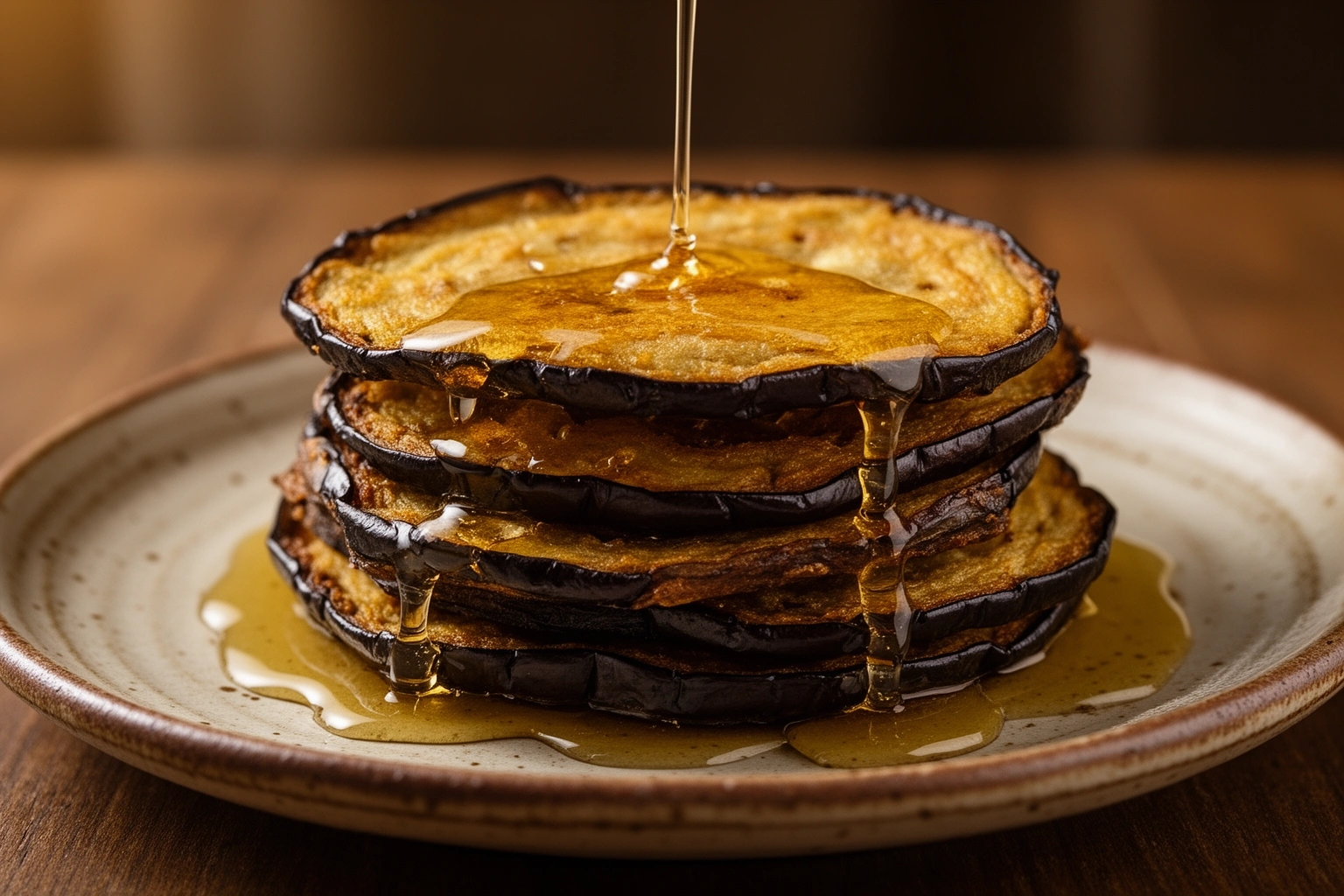
Berenjenas con miel is a classic Andalusian tapa of thinly sliced eggplant, lightly floured, fried until golden and crisp, and finished with a drizzle of honey or traditional dark cane syrup. The name translates directly to “eggplants with honey,” and the dish is especially associated with southern Spain, where eggplant has been cultivated since the Moorish period. The sweet-and-savory combination itself reflects a hallmark of Moorish cooking, spices, syrups, and vegetables woven together in ways that became foundational to Andalusian cuisine over centuries.
Why the Honey Choice Actually Matters
Traditional Andalusian versions frequently use miel de caña, a dark, rich sugar cane syrup with a deeper, more caramel-like sweetness than regular floral honey. Many restaurants outside Spain default to regular honey instead, which noticeably changes the dish’s flavor profile, generally toward something sweeter and less complex. Restaurants that specifically advertise using real miel de caña are signaling a stronger commitment to the traditional version, and that detail is worth asking about directly if it’s not mentioned on the menu.
Where the Exact Origin Gets Murky
Some sources credit Córdoba as the dish’s birthplace, while others point to Granada, and the precise origin remains genuinely unclear, similar dishes exist across other Mediterranean cuisines with their own claims to a shared culinary lineage. The most reliable way to settle a personal preference is simply trying the dish across multiple regions and comparing, since even the ideal batter recipe is debated: some chefs use a simple flour-and-water batter, others add egg or beer, and slice thickness varies by kitchen as well.
How to Judge Quality Before You Order
A great berenjenas con miel has thin, crisp, golden eggplant that isn’t greasy, with a soft, almost creamy interior, finished with just enough syrup to add sweetness without overwhelming the fried coating underneath. The overall effect should feel light rather than heavy despite being fried, since properly executed thin slices and a light coating keep the dish from feeling like a dense, oily appetizer.
Warning Signs Worth Watching For
Soggy or dark-colored eggplant is one of the clearest signs of overcooking, and older, less fresh eggplant can taste noticeably bitter or turn mushy once fried regardless of technique. A version that tastes overly oily or excessively sugary, rather than balanced between crisp, savory, and sweet, signals a kitchen that either rushed the frying or over-poured the syrup. Some chefs soak sliced eggplant briefly in milk or salted water before cooking specifically to reduce bitterness and improve texture, a small technique detail that separates careful preparation from a rushed one.

Flour Choice as a Quality Signal
Most restaurants use wheat flour for the coating, but some traditional establishments use chickpea flour instead, producing extra crunch and a slightly different texture. If a restaurant mentions this detail specifically, it’s a reasonably strong sign the kitchen is paying close attention to the dish’s traditional preparation rather than defaulting to a generic frying batter.
Where This Dish Is Strongest in Spain
Málaga, Córdoba, and Granada are the three cities most closely associated with authentic berenjenas con miel, each contributing slightly different regional touches to slicing style, syrup quantity, and presentation. Córdoba’s historic Judería neighborhood specifically is dense with tapas bars serving the dish, often as a free tapa that comes automatically with a drink order, a tradition itself worth experiencing if you’re actually in the region.
What Each City Tends to Emphasize
Málaga is widely associated with the classic, most traditional preparation style. Granada frequently serves the dish alongside a broader traditional tapas selection rather than as a standalone item. Córdoba contributes its own regional variations connected to local cooking traditions, and differences in syrup quantity, slicing thickness, and flour type show up meaningfully across all three cities.
Searching Around the Dish’s Naming Problem
Because the dish appears under several different names, fried eggplant with honey, crispy aubergine, Spanish eggplant, or aubergine with cane syrup, searching only the exact Spanish phrase can miss restaurants serving it under different menu language entirely. Broadening your search to include Spanish tapas bars, Andalusian restaurants, and Mediterranean small-plate restaurants generally, rather than the dish name alone, meaningfully improves your odds.
What to Do Once You Find a Candidate Restaurant
Open the menu and check the tapas, starters, vegetarian, or sharing plates section specifically, since that’s where this dish typically lives even when it isn’t prominently featured. If it’s not clearly listed, calling or messaging the restaurant directly to ask whether they serve Spanish-style fried eggplant with honey or cane syrup is a small step that saves a wasted trip, particularly since many restaurants serve fried eggplant generally but not the traditional honey-drizzled version specifically.
Reading Reviews the Right Way
Look specifically for reviews that praise the eggplant by name rather than a restaurant’s food in general terms; multiple reviewers specifically calling out the dish is a genuinely promising sign. Customer photos are also useful here, since soggy or overly dark eggplant is visually obvious and a legitimate reason for caution before ordering.
Where to Look Beyond Spain
Spanish restaurants, tapas bars, and Mediterranean small-plate restaurants outside Spain are your best bet, and smaller, family-owned establishments sometimes preserve traditional recipes more faithfully than heavily marketed venues. Some Latin American countries have closely related dishes too, berenjenas fritas con miel in Mexico among them, worth exploring if you enjoy the core concept even outside its strict Andalusian origins.
Timing and Freshness Matter More Than Usual Here
Fried eggplant genuinely loses its texture quickly if left sitting, so restaurants that prepare the dish fresh to order rather than in advance consistently deliver a better experience. That’s also part of why ordering it nearby, rather than via delivery from a distance, tends to produce noticeably better results, since the crisp texture that defines the dish doesn’t survive a long trip well.
What to Pair It With
Berenjenas con miel pairs naturally with a broader tapas spread, seafood, cured meats, olives, and cheese plates, and works well alongside both wine and lighter, fresher drinks that cut through the dish’s richness. Because it’s sweet and savory simultaneously, a crisp, not-too-sweet drink helps maintain balance rather than compounding the sweetness of the syrup.
Is It a Vegetarian-Friendly Dish?
Traditional versions are vegetarian, built entirely from eggplant, flour, oil, and honey or cane syrup, though strict vegetarians should confirm whether the frying oil is shared with non-vegetarian items at a given restaurant. When cane syrup rather than honey is used, the dish is often vegan as well, though this is also worth confirming directly since recipes vary by kitchen.
Making It at Home
Slice eggplant thin, salt briefly to draw out bitterness, coat lightly in flour, and fry in hot oil until golden before finishing with a careful drizzle of honey or cane syrup right before serving. The most common mistake is using too much flour or oil, which throws off the delicate balance between crisp coating and tender interior; a light hand with both the batter and the final syrup drizzle is what separates a restaurant-quality result from a heavy, overly sweet one.
Check These Related Articles
- Best Pique Macho Near Me: Complete Guide
- Best Papa A La Huancaina Near Me: Complete Guide
- Best Provoleta Al Horno Near Me: Complete Guide
- Best Tarta De Acelga Near Me: Complete Guide
- Best Sopa Criolla Near Me: Complete Guide
The naming confusion around berenjenas con miel mirrors what made tracking down an authentic tarta de acelga trickier than expected: broadening your search terms beyond the exact dish name, checking specific reviews rather than general ratings, and asking directly when a menu is vague all consistently outperform a narrow, literal search.
Frequently Asked Questions
What exactly is berenjenas con miel?
It’s a classic Andalusian tapa of thin, fried eggplant slices drizzled with honey or traditional dark cane syrup, balancing crispy, savory, and sweet in one bite.
Why does this dish go by different names on menus?
It’s also listed as fried eggplant with honey, crispy aubergine, Spanish eggplant, or aubergine with cane syrup, so broadening your search terms helps find more options.
Where in Spain is this dish strongest?
Málaga, Córdoba, and Granada are the three cities most associated with authentic versions, each with slightly different regional touches.
What’s the difference between honey and miel de caña?
Traditional Andalusian versions use miel de caña, a dark sugar cane syrup with deeper, more caramel-like sweetness than regular floral honey.
What separates a great version from an average one?
Thin, crisp, non-greasy eggplant with a soft interior, and just enough syrup to add sweetness without overwhelming the fried coating.
What are the signs of a poorly made version?
Soggy or dark-colored eggplant, excessive oiliness, or an overly sugary syrup drizzle are the clearest warning signs.
Is berenjenas con miel vegetarian?
Yes, traditional versions are vegetarian, and often vegan when cane syrup rather than honey is used, though it’s worth confirming shared frying oil with strict vegetarian diets.
How do you make an authentic version at home?
Slice thin, salt briefly to reduce bitterness, coat lightly in flour, fry until golden, and drizzle with honey or cane syrup right before serving.