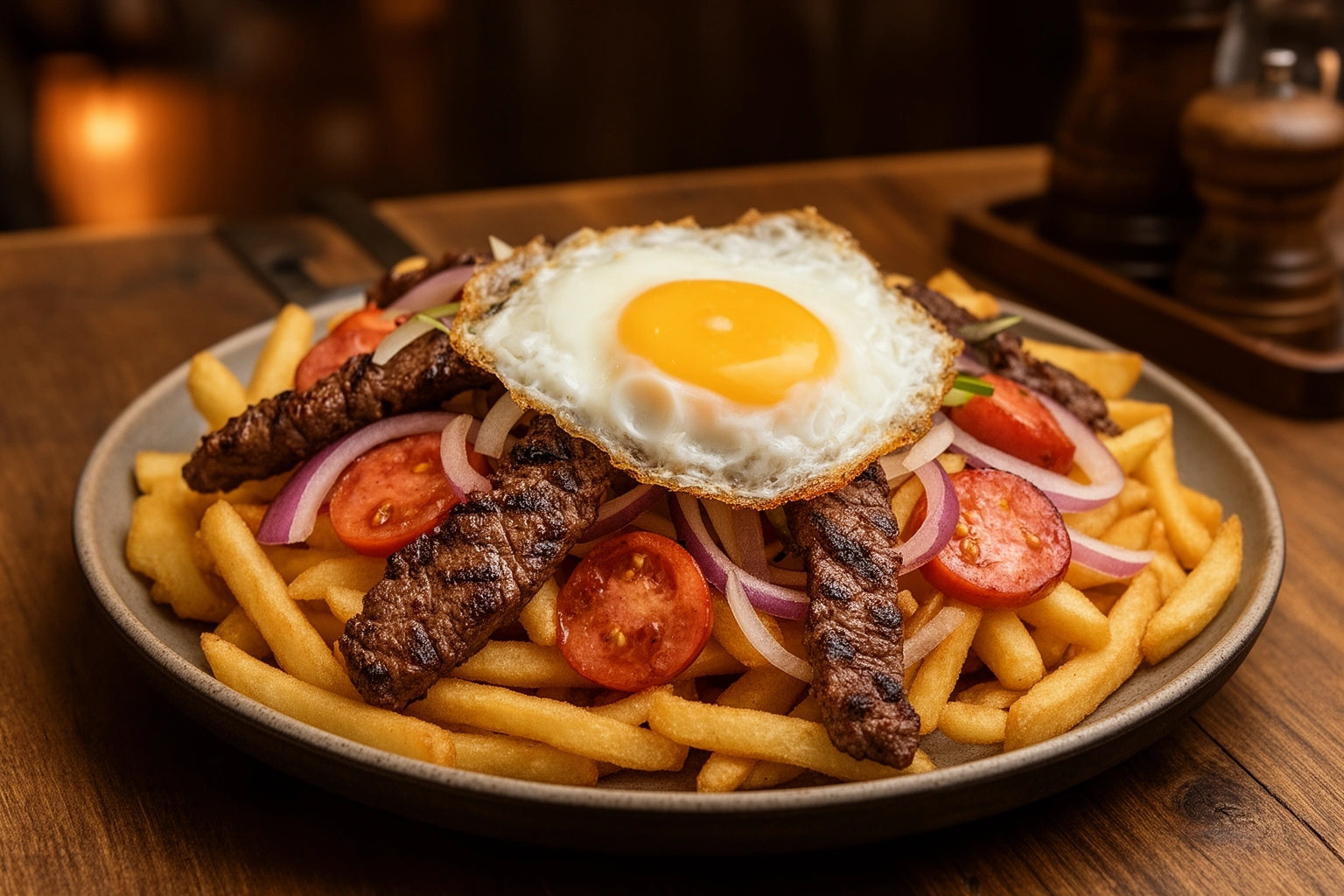
Pique macho gets described as “loaded fries” often enough that people underestimate it before it even hits the table. The real dish is a massive shared plate from Cochabamba, Bolivia’s culinary capital, built on beef, sausage, crispy fries, egg, and locoto chili, and it’s specifically designed for a table, not a single appetite. Searching “best pique macho near me” usually means you’ve had a version that lived up to its name, “macho” itself nodding to the idea that finishing a full plate solo takes real commitment, and you’re not interested in a generic meat-and-chips plate wearing a Bolivian label.
This guide breaks down what actually separates an authentic pique macho from a loose fusion imitation, and exactly what menu signals tell you a restaurant genuinely understands the dish.
- Pique macho originated in Cochabamba, widely considered Bolivia’s culinary capital, and is a large shared plate of beef, sausage, fries, egg, and locoto chili.
- Locoto, a Bolivian chili pepper, gives the dish its signature heat; jalapeño is the most common substitute when locoto isn’t available.
- A restaurant listing other Bolivian dishes like sopa de maní, silpancho, or charquekan alongside pique macho is a strong authenticity signal.
- Fries should stay crisp even under the toppings; soggy fries buried under meat and sauce are one of the clearest signs of a rushed or poorly assembled plate.
- Bolivian restaurants naturally specialize in the dish, but many Peruvian and broader Latin American restaurants also serve genuinely excellent versions.
- Portion size matters: a proper pique macho plate typically feeds two or more people comfortably, reflecting its communal, shared-plate design.
What Pique Macho Actually Is
Pique macho is a large, hearty Bolivian dish built around beef, sausage, crispy fries, egg, and locoto chili, traditionally linked to Cochabamba, a city widely considered Bolivia’s culinary capital. It’s meant to be shared or eaten by someone with a genuinely big appetite, and several sources connect the dish’s name to the idea that finishing a full plate alone requires a certain boldness, “macho” in that sense referring to the challenge the portion size presents rather than anything about the flavor itself.
The Ingredients That Define It
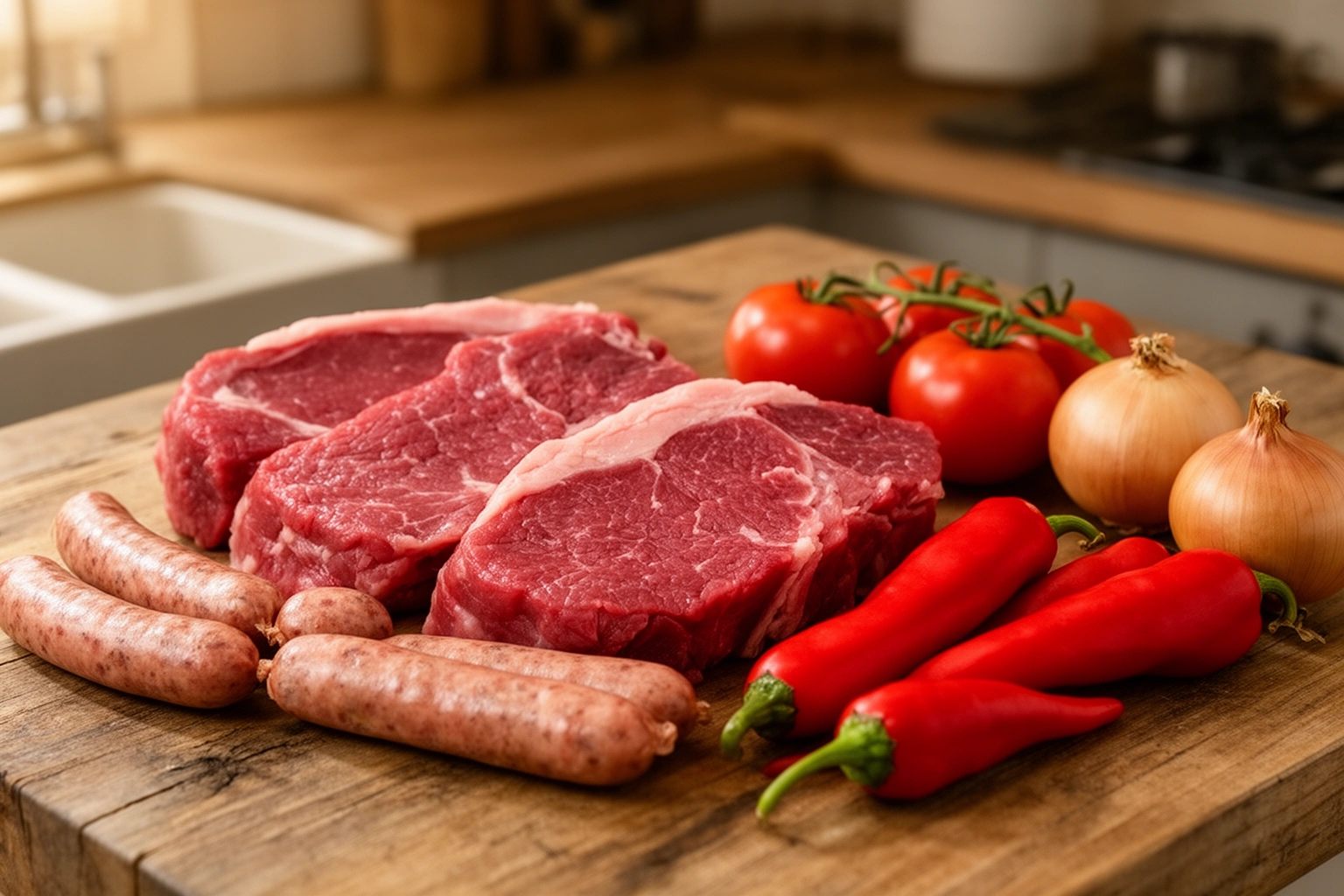
The standard version includes beef, fries, egg, onion, tomato, and locoto or a similar Bolivian chili, with sausage appearing in many modern restaurant versions as well. Different sources and menus also note mustard, ketchup, mayonnaise, and sometimes a beer-based seasoning or llajwa, Bolivia’s traditional spicy salsa, served on top or on the side. The core idea stays consistent across variations: hearty, spicy, and built for a table rather than a single plate in front of one person.
Why Locoto Specifically Matters
Locoto is a small, hot pepper native to Bolivia, used both directly in the dish and as the base of llajwa, the country’s everyday spicy salsa. Jalapeño is commonly cited as the closest reasonable substitute when locoto isn’t available, though the flavor profile isn’t identical. A restaurant’s willingness to source locoto specifically, or to at least clearly name the chili they’re using, says a lot about how seriously the kitchen treats the dish’s authenticity.
How to Judge Quality Before You Order
A well-made pique macho keeps its fries crisp even under the toppings, features tender and well-seasoned beef, and builds spice gradually rather than overwhelming the entire plate from the first bite. The sauce and juices should soak into the potatoes just enough to add richness without turning the whole plate soggy or heavy.
What a Rushed Version Looks Like
Soggy fries buried under a pile of meat and sauce are one of the clearest and most common signs of a poorly assembled plate, since keeping the fries crisp under all that weight takes real attention during assembly and service. Beef that’s dry or chewy rather than juicy and well-seasoned suggests a kitchen not giving the meat proper attention, and a version that’s either bland or so aggressively spicy it drowns out every other flavor both indicate a kitchen missing the dish’s intended balance.
Reading Menu Language for Authenticity Signals
A menu that names the dish “pique macho” in full, lists locoto or another specifically Bolivian chili, and details beef, fries, egg, onion, tomato, and sausage individually, matches the standard form described across recipe sources and food references. A restaurant that also lists llajwa or a clearly Bolivian-style hot sauce alongside the dish is showing another meaningful sign of authenticity, since that’s a specific, non-obvious detail a generic fusion menu wouldn’t typically bother including.
What a Full Bolivian Menu Tells You
A restaurant that also serves other genuinely Bolivian dishes, sopa de maní (peanut soup), silpancho, or charquekan, alongside pique macho is a considerably stronger authenticity signal than a mixed menu with no clear culinary focus. That breadth suggests a kitchen with real grounding in Bolivian cuisine specifically, rather than one borrowing a single recognizable dish to diversify an otherwise generic Latin American menu.
Where to Look
Dedicated Bolivian restaurants naturally specialize in pique macho, but many Peruvian and broader Latin American restaurants also serve genuinely excellent versions, so it’s worth checking beyond Bolivian-specific listings alone.
Bolivian Restaurants Specifically
These are the most reliable starting point precisely because pique macho is treated as a signature national dish rather than an occasional special. Current, up-to-date restaurant menus are a better signal than an old delivery photo or a vague social media post; checking that a restaurant’s menu is actively current, and that it names the dish in full alongside its traditional ingredients, matters more than relying on reputation alone.
Family-Owned and Smaller Spots
Sometimes the best version isn’t from the most famous or heavily reviewed restaurant but from a smaller, family-owned spot with genuinely authentic recipes that locals already know about. Authentic pique macho tends to carry a distinctly homemade feeling, layers of spice, grilled meat aroma, and crispy fries working together in a way that feels balanced rather than heavy or overloaded, and that quality often shows up more consistently at smaller, less flashy establishments.
Street Food and Informal Vendors
In cities with an established Bolivian community, street food vendors frequently serve some of the most authentic, home-style versions of the dish, often more so than a formal sit-down restaurant. These vendors typically aren’t optimizing for a broad, unfamiliar audience, which tends to keep their preparation closer to how the dish is actually eaten in Bolivia itself.
How to Search Effectively
Check Google Maps, Yelp, or TripAdvisor specifically for Bolivian restaurants, and ask locals directly, since local food enthusiasts often know smaller, hidden spots that don’t rank prominently in a generic search. Look at the restaurant’s actual current menu rather than relying only on photos or a delivery app listing, since a current menu naming the dish and its ingredients in detail is a stronger signal than an old post or a vague description.
What Reviews Should Actually Mention
Prioritize reviews describing the beef as tender and well-seasoned, the fries as staying crisp, and the spice level as bold but balanced rather than overwhelming. Reviews that only mention general satisfaction or service quality, without describing the specific texture and flavor balance, tell you comparatively little about whether the kitchen actually executed the dish’s specific requirements well.
Is Pique Macho Healthy?
Pique macho is high in protein and provides real energy from the beef, sausage, and fries, but it’s also rich in fat and sodium, making it a meal best enjoyed in moderation or shared across a table rather than eaten solo regularly. Pairing it with vegetables or lighter sides, when a restaurant offers them, can help balance the richness of the plate for anyone eating it more than occasionally.
Making It at Home
A homemade version starts with browning beef and sausage, frying fresh-cut potatoes separately to keep them crisp, and building a simple sauce from onion, tomato, green bell pepper, and locoto or jalapeño as a substitute. Layer the fries first, top with the meat and sauce, and finish with a boiled egg, keeping the assembly quick so the fries don’t lose their crispness before serving. Some home cooks add a splash of red wine or soy sauce to the sauce for extra depth, a variation that stays true to the dish’s spirit of flexible, family-style preparation even though it departs slightly from the most traditional version.
Check These Related Articles
- Best Papa A La Huancaina Near Me: Complete Guide
- Best Provoleta Al Horno Near Me: Complete Guide
- Best Tarta De Acelga Near Me: Complete Guide
- Best Sopa Criolla Near Me: Complete Guide
- Best Guiso De Lentejas Near Me: Complete Guide
Judging pique macho the right way follows the same instincts that worked for finding an authentic Chuflay: check whether the menu names the specific, correct ingredients rather than a vague description, look for a broader menu reflecting real depth in the cuisine, and trust detailed reviews describing texture and balance over a star rating alone.
Frequently Asked Questions
What exactly is pique macho?
It’s a large Bolivian dish of beef, sausage, crispy fries, egg, and locoto chili, traditionally from Cochabamba, meant to be shared at the table.
What gives pique macho its spice?
Locoto, a Bolivian chili pepper, gives the dish its signature heat and is also the base of llajwa, Bolivia’s traditional spicy salsa.
What menu signals suggest an authentic pique macho?
A restaurant listing other Bolivian dishes like sopa de maní, silpancho, or charquekan alongside pique macho is a strong sign of genuine authenticity.
What are the signs of a poorly made pique macho?
Soggy fries buried under meat and sauce, dry or bland beef, and spice that either overwhelms the dish or is missing entirely are the clearest warning signs.
Where can you find authentic pique macho?
Bolivian restaurants specialize in it, but many Peruvian and broader Latin American restaurants, as well as street food vendors in Bolivian communities, also serve excellent versions.
Is pique macho always very spicy?
Traditional versions are spicy, though many restaurants adjust the heat level for customers who prefer it milder.
Is pique macho a healthy meal?
It’s high in protein and energy but also rich in fat and sodium, so it’s best enjoyed in moderation or shared across a table.
Can you make pique macho at home?
Yes, brown beef and sausage, fry potatoes separately to keep them crisp, build a sauce from onion, tomato, and locoto or jalapeño, then assemble quickly with a boiled egg on top.