Provoleta al horno lives or dies on two things most restaurants get wrong: cheese thickness and timing. A slice under 1.5 centimeters melts too fast and turns into a thin, oily puddle with no structure. Undercooked or overcooked by even a couple minutes, and it goes rubbery or greasy instead of holding that golden crust over a molten center. Searching “best provoleta al horno near me” usually means you’ve had a version done right, bubbling, slightly crisp on top, stretchy but not runny inside, and you’re not willing to settle for a sad, thin slice of melted cheese pretending to be the real thing.
This guide breaks down exactly what separates a properly made provoleta from a disappointing one, and where you’re actually likely to find it done right.
- Provoleta al horno is baked provolone cheese, a starter in Argentine asado culture, traditionally served before grilled meats rather than as a main.
- Proper provoleta uses a slice 2 to 3 centimeters thick; anything under 1.5 centimeters melts too fast and can’t hold its structure.
- Outside Argentina, it’s often not listed by name; asking for “baked provolone” or “skillet cheese” at a steakhouse can surface the same dish under a different label.
- Timing from order to table matters: 8 to 12 minutes signals fresh preparation, while under 5 minutes usually means it was pre-cooked and reheated.
- Argentine parrilla restaurants are the most reliable source, with the strongest concentrations in Miami, New York, Los Angeles, Chicago, and Houston.
- Menu language is a strong filter: phrases like “provolone baked in cast iron” or “house-made chimichurri” signal real understanding, while “baked cheese appetizer” alone is a warning sign.
What Provoleta al Horno Actually Is
Provoleta al horno is a baked provolone cheese dish from Argentina, traditionally served as a starter before grilled meats in asado, or barbecue-style, dining. The dish reflects Argentina’s strong Italian culinary influence: during the late nineteenth and early twentieth centuries, millions of Italian immigrants settled in the country, bringing provolone cheese with them, which eventually evolved into this uniquely Argentine preparation. “Al horno” simply means “in the oven,” distinguishing this baked style from the grilled version cooked directly over an open flame.
Why It’s Always a Starter, Never the Main Event
Restaurants that genuinely understand Argentine asado culture treat provoleta as the opener to a larger shared meal, sausages, skirt steak, short ribs, and mixed grill platters typically follow. In Argentina, it’s shared at the table before the main courses arrive, with people tearing bread and dipping into the cheese slowly while talking, a social, unhurried style that’s very much part of the dish’s appeal.
How to Judge Quality Before You Order
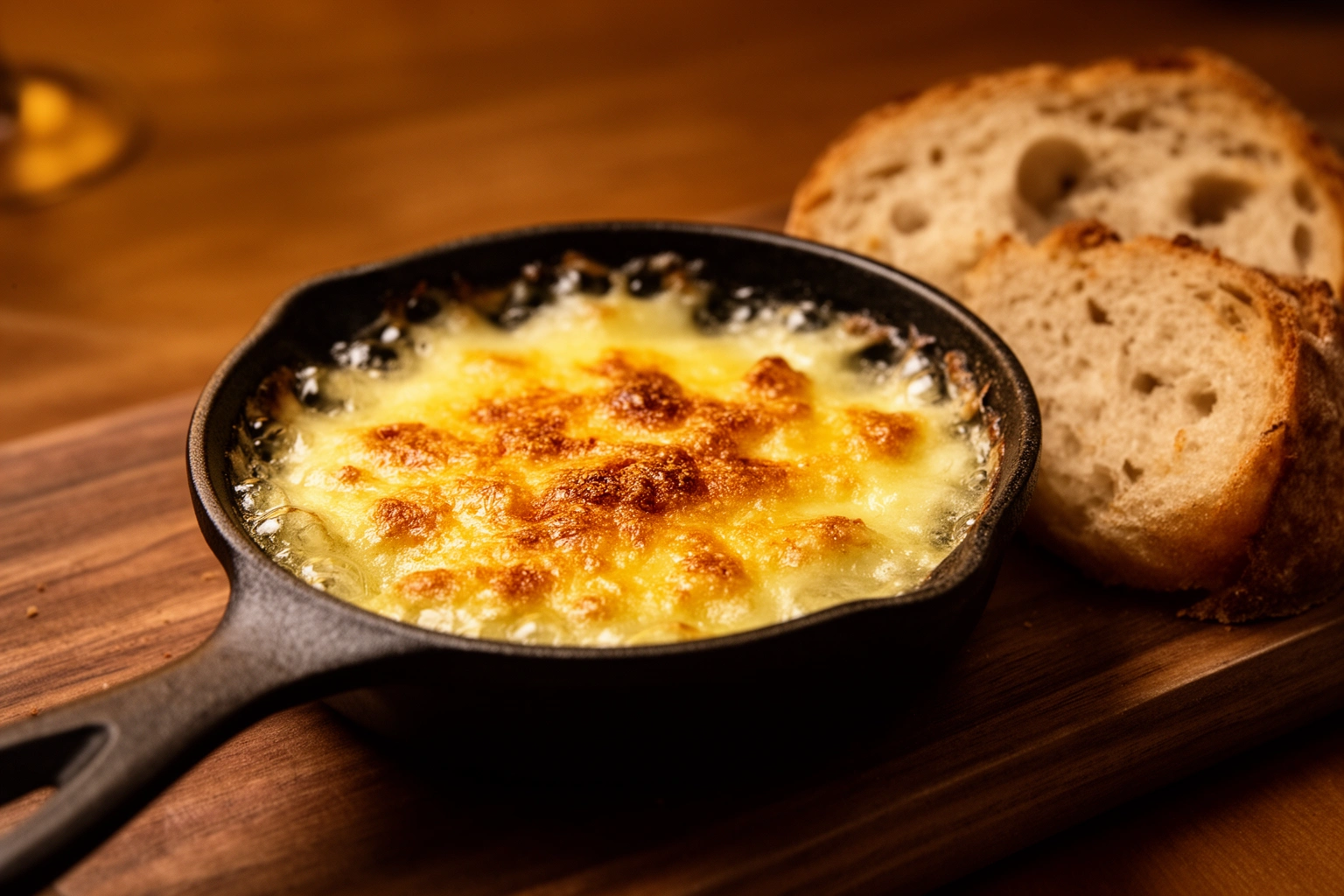
Cheese thickness between 2 and 3 centimeters is the single most important structural factor, thick enough to develop a crusted exterior while the center stays gooey rather than collapsing into a thin, oily puddle. The finished dish should be hot, golden on top without appearing burnt, and creamy rather than watery or tough in the center.
Reading Menu Language
Words like “provolone baked in cast iron,” “Argentine-style baked cheese,” or “house-made chimichurri” all indicate the kitchen genuinely understands what the dish requires. A generic entry that simply reads “baked cheese appetizer,” with no description of the cheese type or accompanying sides, is treating the dish as filler, and that almost always results in a thin, pre-sliced piece of generic melting cheese baked quickly and served on a flat plate.
Timing From Order to Table
Provoleta al horno is made to order and doesn’t hold well, so restaurants serving it within 8 to 12 minutes of ordering are preparing it fresh. If it arrives in under 5 minutes, it was very likely pre-cooked and reheated, which produces a rubbery texture and uneven melt rather than the genuine crisp-outside, molten-inside contrast that defines the dish done right.
The Serving Vessel Matters More Than You’d Think
A cast-iron skillet or clay dish that retains heat throughout the meal signals a kitchen that understands the dish; a flat ceramic plate that lets the cheese cool quickly does not. Since provoleta changes texture noticeably once it cools, the vessel it arrives in is a genuinely useful, easy-to-spot quality signal before you even take your first bite.
Common Mistakes That Ruin the Dish
Overcooking causes the provolone to separate into oil and lose its creamy structure, producing a greasy texture, while underheating leaves the center firm rather than achieving the signature molten consistency. Both failure modes come down to the same root cause: a kitchen not respecting how sensitive this simple dish actually is to timing and heat control, despite how few ingredients it requires.
What a Properly Executed Version Looks Like
The cheese should stretch slightly when pulled but not run like a liquid; a well-made provoleta holds its shape yet still flows when cut open. That precise middle ground, not dense and oily from overcooking, not stiff and chewy from undercooking, is exactly what separates an exceptional restaurant’s version from an average one.
Where to Actually Look
Argentine parrilla restaurants are the most reliable source for authentic provoleta al horno in the US, with the largest concentrations in Miami, New York, Los Angeles, Chicago, and Houston. The spread of Argentine steakhouse culture across the country has made the dish increasingly available, though quality still varies significantly by city and establishment.
Miami’s Concentrated Argentine Dining Scene
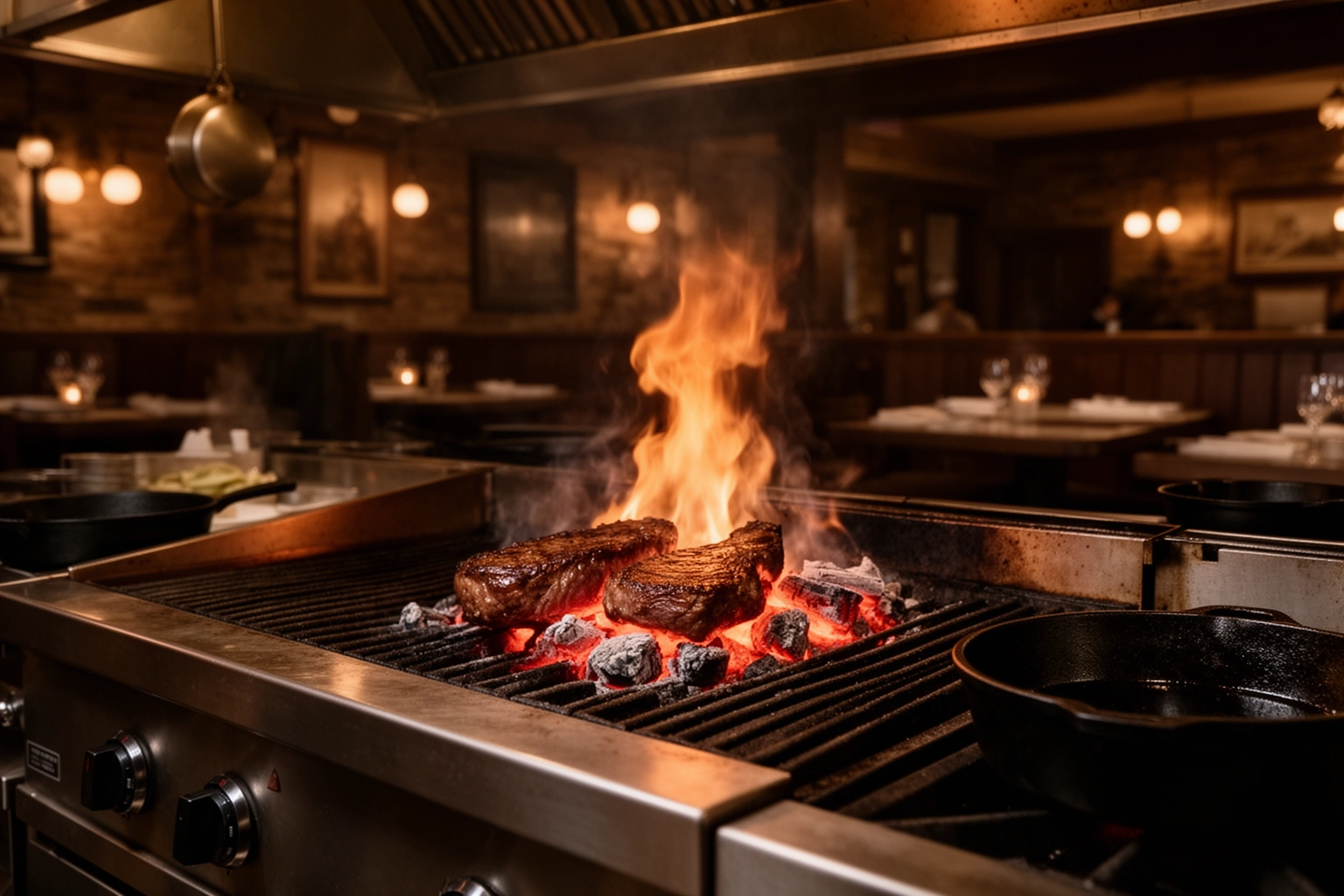
Miami has one of the most developed Argentine dining scenes outside Buenos Aires, with neighborhoods like Brickell, Doral, and Coral Gables all featuring parrilla restaurants that treat provoleta as a genuine menu cornerstone rather than an afterthought. Open grill kitchens visible from the dining room are a particularly strong signal in this city, since that visibility indicates the kitchen prioritizes fire-based cooking the way Argentine tradition demands.
Argentine Steakhouses More Broadly
These restaurants are deeply rooted in asado traditions, where cheese is served before grilled meats as standard practice rather than an occasional special. Because provoleta has Italian origins by way of provolone cheese, Italian-Argentine fusion restaurants also frequently serve excellent versions, sometimes experimenting with herbs, roasted vegetables, or olive oil infusions while staying grounded in the traditional technique.
Asking for It Under a Different Name
Outside Argentina, the dish is frequently not listed by its exact name; instead it hides under labels like “baked provolone,” “skillet cheese,” or a generic “grilled cheese starter.” If a steakhouse doesn’t list provoleta al horno specifically, asking directly for baked provolone or a skillet cheese appetizer often gets you the same dish, or something very close to it, even when it isn’t officially on the printed menu.
Using Reviews and Photos Effectively
Customer food photos from platforms like Yelp and Google Maps are one of the most honest filters available, showing actual portion size, cheese thickness, crust color, and the serving vessel used. Fresh, recent reviews matter more than older ratings, since consistency is particularly important for a hot, timing-sensitive dish like this one.
What to Avoid
Skip ordering provoleta al horno at a restaurant where it appears as one of fifteen generic appetizers with no description, where the cheese slice looks visibly thin in photos, or where the dish doesn’t arrive in a heat-retaining vessel. Reviews mentioning “rubbery,” “oily,” “bland,” or “overcooked” are legitimate reasons to look elsewhere rather than risk a disappointing version.
What to Pair It With
Crusty bread, chimichurri, and a glass of Malbec are the classic pairings, each doing a specific job in balancing the richness of the baked cheese. Bread is genuinely not optional: the molten cheese at the center is too hot and soft to eat with a fork alone, and crusty artisan or grilled bread serves as both utensil and counterpart. Chimichurri adds acidity and herbal brightness that cuts through the richness, while Malbec’s deep, fruity character balances the cheese’s saltiness and creaminess particularly well. Roasted peppers, tomatoes, or mushrooms, if offered as a side, make natural companions too, since they add moisture and acidity without introducing competing flavors that distract from the cheese itself.
Making It at Home
A thick, 2 to 3 centimeter slice of provolone baked in a hot oven or cast-iron skillet until bubbling and golden, seasoned simply with oregano, chili flakes, and olive oil, replicates the restaurant version reasonably well. The secret is genuine patience: too much heat too quickly ruins the texture, causing the cheese to separate rather than developing that ideal crisp-exterior, molten-center contrast. Serve it immediately with crusty bread, since the dish’s texture changes noticeably once it starts to cool.
Check These Related Articles
- Best Tarta De Acelga Near Me: Complete Guide
- Best Sopa Criolla Near Me: Complete Guide
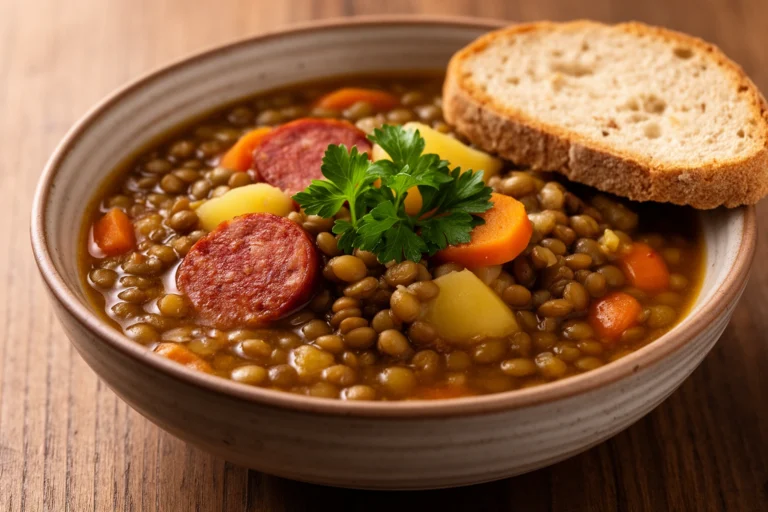
- Best Guiso De Lentejas Near Me: Complete Guide
- Best Chuflay Cocktail Near Me: Complete Guide
- Best Pasticho Venezuelan Lasagna Near Me: City Guide
Judging provoleta al horno correctly uses the same instincts that worked for finding an authentic tarta de acelga: the dish frequently hides under a different name on a menu, so knowing what to ask for matters as much as knowing where to look, and specific, timing- and texture-focused reviews will always tell you more than a generic star rating.
Frequently Asked Questions
What exactly is provoleta al horno?
It’s baked provolone cheese, a classic Argentine starter served before grilled meats, baked until golden and slightly crisp on top with a soft, molten center.
How thick should the provolone be for a proper provoleta al horno?
A slice between 2 and 3 centimeters thick is ideal; anything under 1.5 centimeters melts too fast and loses its structure.
Where can you find authentic provoleta al horno?
Argentine parrilla restaurants and steakhouses are the most reliable source, with strong concentrations in Miami, New York, Los Angeles, Chicago, and Houston.
Why doesn’t it always appear by name on menus outside Argentina?
It’s often listed as baked provolone, skillet cheese, or a grilled cheese starter instead, so asking directly for baked provolone can surface the same dish.
How long should provoleta al horno take to arrive after ordering?
8 to 12 minutes from order to table signals fresh preparation; under 5 minutes usually means it was pre-cooked and reheated.
What pairs best with provoleta al horno?
Crusty bread, chimichurri, and a glass of Malbec are the classic pairings, each balancing the richness of the melted cheese.
What’s the most common mistake restaurants make with this dish?
Overcooking causes the cheese to separate into oil and turn greasy, while undercooking leaves the center too firm rather than molten.
Can you make provoleta al horno at home?
Yes, bake a thick slice of provolone in a hot oven or cast-iron skillet with oregano, chili flakes, and olive oil, serving immediately once golden and bubbling.