Tarta de acelga runs into a naming problem before you even find a place that sells it. Depending on the bakery, the exact same Swiss chard pie might be listed as “tarta de acelga,” “tarta pascualina,” or simply “spinach pie,” which means searching the dish name alone often misses genuinely great versions sitting a few blocks away. Searching “best tarta de acelga near me” usually means you know exactly what you want, flaky pastry, a Swiss chard and cheese filling that isn’t watery or bitter, and you’re tired of a search engine sending you to generic vegetable pie listings.
This guide breaks down what actually separates a great tarta de acelga from a forgettable one, the regional variations worth knowing, and how to search in a way that accounts for the dish’s inconsistent naming.
- Tarta de acelga is a Swiss chard, egg, and cheese savory pie in a flaky crust, popular across Argentina, Uruguay, and parts of Spain.
- The same dish may be listed as “tarta pascualina,” “spinach pie,” or “savory greens pie,” so searching only the Spanish name can miss great local options.
- Argentine and Uruguayan bakeries, or panaderías and confiterías, are your single best bet, since they treat the tart as a daily staple alongside empanadas and facturas.
- Swiss chard is a cool-season vegetable, so the freshest, best-tasting versions typically show up in spring and autumn when locally sourced chard peaks.
- A great filling is cooked just enough to soften the chard while retaining some texture, never mushy, and the crust should be crisp outside without being greasy or soggy.
- Catalonia’s version often adds pine nuts and raisins for subtle sweetness, while most Argentine and Spanish versions stay purely savory with garlic, onion, and cheese.
What Tarta de Acelga Actually Is
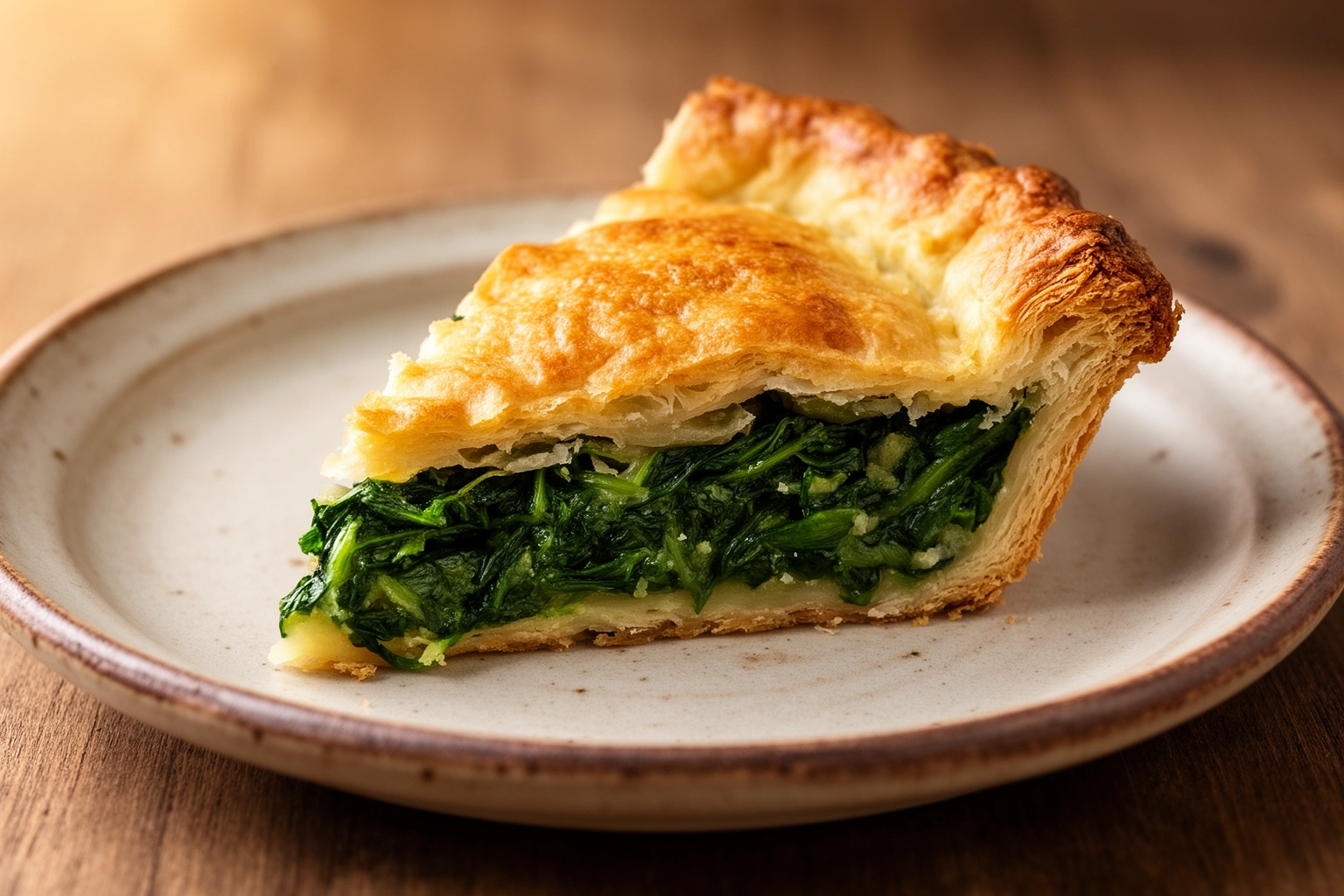
Tarta de acelga is a savory pie built on Swiss chard, eggs, cheese, and onions, baked inside a flaky, often buttery or olive-oil-based pastry crust. “Acelga” is simply the Spanish word for Swiss chard, and the dish belongs to a broader family of Argentine tartas, savory open-faced or double-crusted pies that are a staple across South American home kitchens, neighborhood bakeries, and family-run restaurants in Argentina, Uruguay, and increasingly the wider Latin American diaspora.
Why the Same Dish Has Several Names
One bakery might call it tarta de acelga, another tarta pascualina, since pascualina is a closely related Uruguayan and Argentine style that also frequently uses spinach or chard with eggs baked directly into the filling, and a third might simply translate it as “spinach pie” or “savory greens pie” in English. If a place lists pascualina instead of tarta de acelga, it’s worth trying anyway rather than dismissing it, particularly if the filling is greens-heavy and the crust is firm, since it’s very likely the same dish under a different regional name.
How to Judge Quality Before You Buy
A great tarta de acelga has a crisp, golden crust that isn’t greasy or soggy, and a filling where the chard is cooked just enough to soften without turning mushy, seasoned simply with salt, pepper, and often garlic. The flavor should taste of the chard itself, slightly earthy and mildly bitter, balanced rather than hidden by the cheese, egg, and onion supporting it.
What Goes Wrong Most Often
Overcooked chard turns mushy and loses its texture entirely, while undercooked chard fails to harmonize properly with the egg and cheese around it. A soggy or overly thick crust weighs the whole dish down, making it feel heavy rather than the light, balanced bite a good version delivers. A watery filling, often from chard that wasn’t properly drained before baking, is one of the most common giveaways of a rushed or careless preparation.
Reading Reviews the Right Way
Search reviews for specific mentions like “fresh,” “homemade,” “crispy crust,” or “good filling” rather than relying on a plain star rating, since these details tell you far more about actual execution. Customer-uploaded photos are especially useful here: they can reveal whether the crust looks properly firm and whether the filling looks fresh rather than watery or dull.
Regional Variations Worth Knowing
Catalonia’s version often incorporates pine nuts and raisins for a subtle sweetness that contrasts with the earthy chard, while most Argentine, Uruguayan, and other Spanish regional versions stay purely savory, built around garlic, onion, and a generous helping of cheese. Knowing which regional style you’re actually craving narrows your search meaningfully, since the “best” version genuinely depends on which style resonates with your palate rather than any single universal standard.
Cheese and Filling Variations
Some versions lean on manchego for a firmer, saltier bite, while others use a creamier cheese blend for a softer, richer filling. Certain recipes incorporate spinach alongside or instead of Swiss chard for a milder flavor profile, while others add ricotta for extra creaminess, hard-boiled eggs for visual appeal and richness, or olives and roasted peppers for additional complexity.
Where to Actually Look
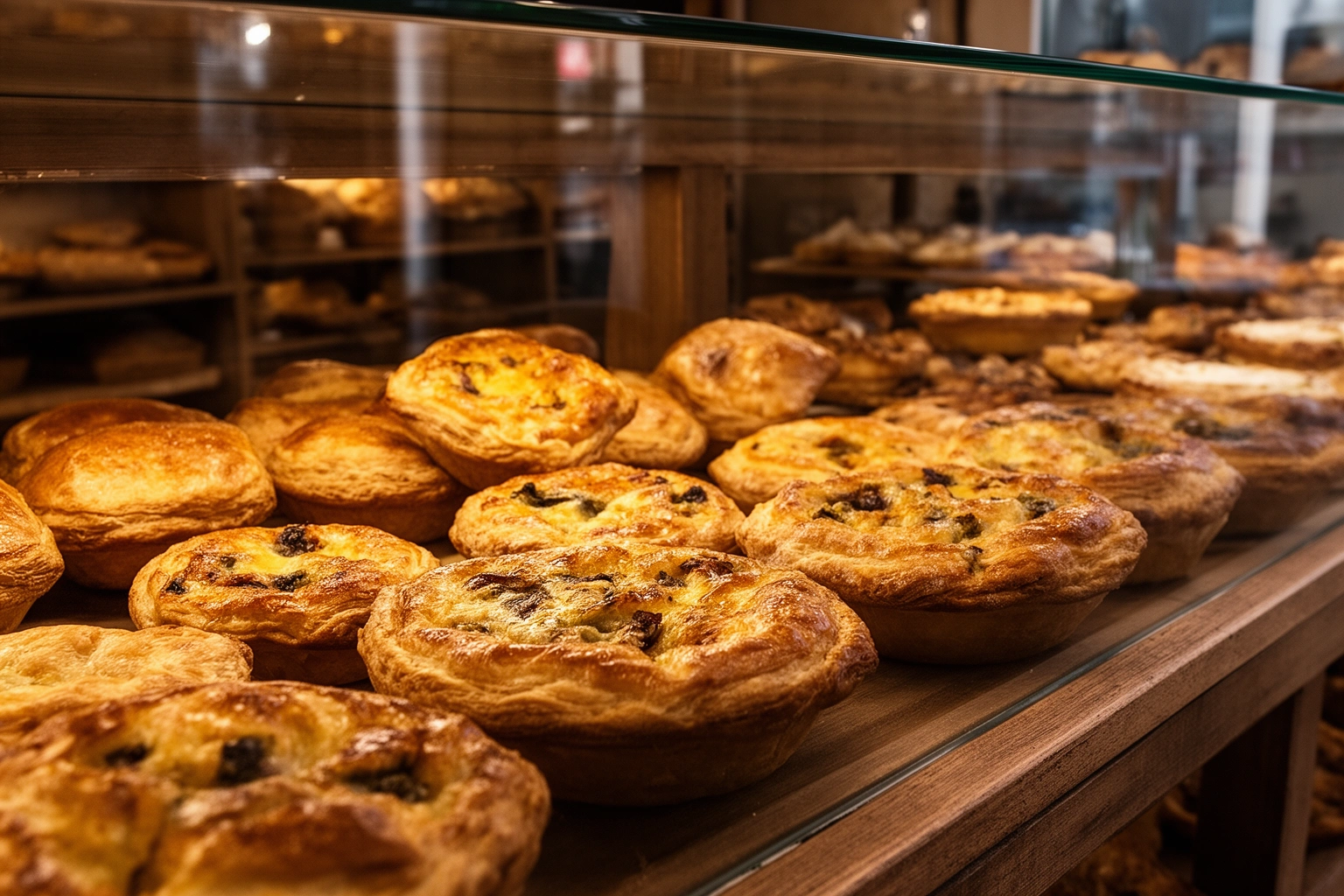
Argentine and Uruguayan bakeries, known as panaderías or confiterías, are your single best bet, since these community-focused shops typically make savory tartas daily alongside empanadas, facturas, and medialunas. That daily rotation, rather than treating the dish as an occasional special, is exactly why bakeries tend to outperform restaurants on consistency.
Traditional Bakeries vs. Restaurants
Family-run bakeries operating for decades frequently produce the most authentic and consistently high-quality versions, precisely because they treat tarta de acelga as a staple item rather than a novelty, refining their recipe over years of repetition and direct customer feedback. Restaurants, by contrast, might only offer it as a seasonal or occasional item, which can mean less consistency, though restaurants specializing in traditional Spanish or Mediterranean cuisine often put real care into their version, sometimes elevating it with better ingredients or more elaborate presentation at a correspondingly higher price.
Mediterranean Delis and Middle Eastern Bakeries
Mediterranean delis and Spanish tapas restaurants are a strong secondary option, particularly in the UK and Europe, and Gibraltar-style torta de acelgas specifically can sometimes be found in Spanish delis catering to expat communities. Middle Eastern bakeries are also worth checking, since spinach-filled pastries like fatayer or börek share enough culinary DNA with tarta de acelga to satisfy a similar craving even though they’re not identical dishes.
Grocery Store Prepared Food Counters
Italian, Mediterranean, and Latin American grocery stores sometimes sell savory pies close enough to tarta de acelga to satisfy the craving, even when the menu uses different wording entirely. The real test in these cases is whether the filling tastes clean, well-seasoned, and properly drained, regardless of what the counter label actually calls it.
How to Search Around the Naming Problem
Searching only “tarta de acelga near me” misses places that call it something else, so broadening your search terms to “Argentine bakery,” “Uruguayan café,” “savory spinach pie,” or “Mediterranean vegetable tart” surfaces meaningfully more options. Community sources often outperform mainstream search here too.
Community and Social Media Sources
Facebook groups and forums focused on Latin American expat communities in your city are genuine goldmines for this specific dish, since members frequently share exactly which bakery makes the best version without any of the generic marketing language that clutters mainstream search results. Instagram geotags for local Argentine or Uruguayan bakeries and restaurants can surface places that haven’t built a significant web presence but are well-known and loved locally.
Delivery Apps as a Broader Net
Searching delivery platforms like Uber Eats or Deliveroo using terms like “empanada,” “Argentine food,” or “South American bakery” often reveals establishments that also stock savory tartas as part of their broader menu, even when the tart itself doesn’t appear as a highlighted search result.
Timing Your Purchase Right
Swiss chard is a cool-season vegetable, so the best and freshest versions typically appear during spring and autumn when locally sourced chard is at its most tender and flavorful. In winter months, some vendors switch to stored or frozen chard, which can result in a wetter filling if not handled with real care and proper draining, a detail that separates a skilled baker from an average one regardless of season.
Best Time of Day to Buy
Late morning or early afternoon is generally the best window, since many bakeries and cafés have their freshest savory items ready by then. Buying very late in the day, unless the specific establishment is known for baking fresh batches throughout the day, risks getting a slice that’s been sitting long enough to turn dry, flat, or rubbery after reheating.
Ordering at a Sit-Down Restaurant
At a restaurant rather than a bakery, tarta de acelga is more likely to be served warm or heated to order, which can actually improve the crust’s texture if handled properly. It’s a completely fair question to ask whether the tarta is made in-house or sourced from a supplier; a confident, direct answer either way is a positive sign, while a server who can’t answer at all is itself informative about how seriously the kitchen treats the dish.
Check These Related Articles
- Best Sopa Criolla Near Me: Complete Guide
- Best Guiso De Lentejas Near Me: Complete Guide
- Best Chuflay Cocktail Near Me: Complete Guide
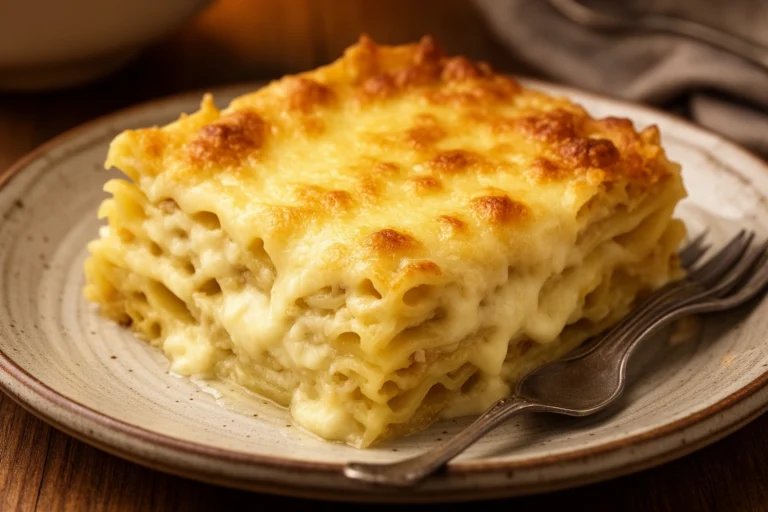
- Best Pasticho Venezuelan Lasagna Near Me: City Guide
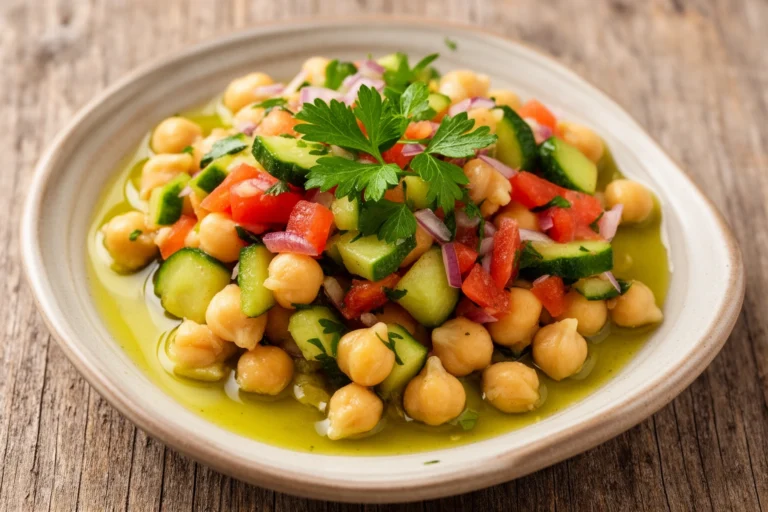
- Best Ensalada De Garbanzos Near Me: Complete Guide
The naming confusion around tarta de acelga mirrors a pattern that shows up across regional dishes generally, the same reason it was worth double-checking whether a specific restaurant serving sopa criolla actually understood Peruvian cooking as a whole. Broadening your search terms, checking community recommendations over star ratings, and asking direct questions about how a dish is actually made will consistently outperform typing the exact dish name into a generic search engine.
Frequently Asked Questions
What exactly is tarta de acelga?
It’s a savory pie made with Swiss chard, eggs, cheese, and onions, baked in a flaky pastry crust, popular in Argentina, Uruguay, and parts of Spain.
Why does tarta de acelga go by different names?
It’s also commonly listed as tarta pascualina, spinach pie, savory greens pie, or Mediterranean vegetable tart, so searching only one name can miss great local options.
Where is the best place to find authentic tarta de acelga?
Argentine and Uruguayan bakeries, known as panaderías or confiterías, are the most reliable source, since they make savory tartas daily as a staple item.
What separates a great version from a mediocre one?
A crisp, non-greasy crust and a filling where the chard is cooked just enough to soften without becoming mushy, seasoned simply and not watery.
Are there regional variations of this dish?
Catalonia’s version often adds pine nuts and raisins for sweetness, while most Argentine and other Spanish regional versions stay purely savory with garlic, onion, and cheese.
What’s the best time of year to find fresh tarta de acelga?
Spring and autumn, since Swiss chard is a cool-season vegetable and tastes best when freshly harvested during these periods.
What time of day should you buy it?
Late morning or early afternoon, when bakeries typically have their freshest savory items ready for the day.
Is it okay to ask a restaurant if the tarta is made in-house?
Yes, it’s a fair and common question. A confident, direct answer either way is a good sign, while an inability to answer at all is informative.