Papa a la huancaina is deceptively simple on paper: boiled potatoes, a creamy sauce. But that description hides how much the dish depends on one specific ingredient doing all the work. The sauce lives or dies on ají amarillo, Peru’s signature yellow chili, and a version made without it, or with a poor substitute, ends up flat and generic no matter how good the potatoes are. Searching “best papa a la huancaina near me” usually means you already know what real ají amarillo tastes like, and you’re not interested in a version that swapped it out for something milder and less distinct.
This guide breaks down what actually defines an authentic papa a la huancaina, the ingredient substitutions that quietly ruin it, and where to look for a properly made version.
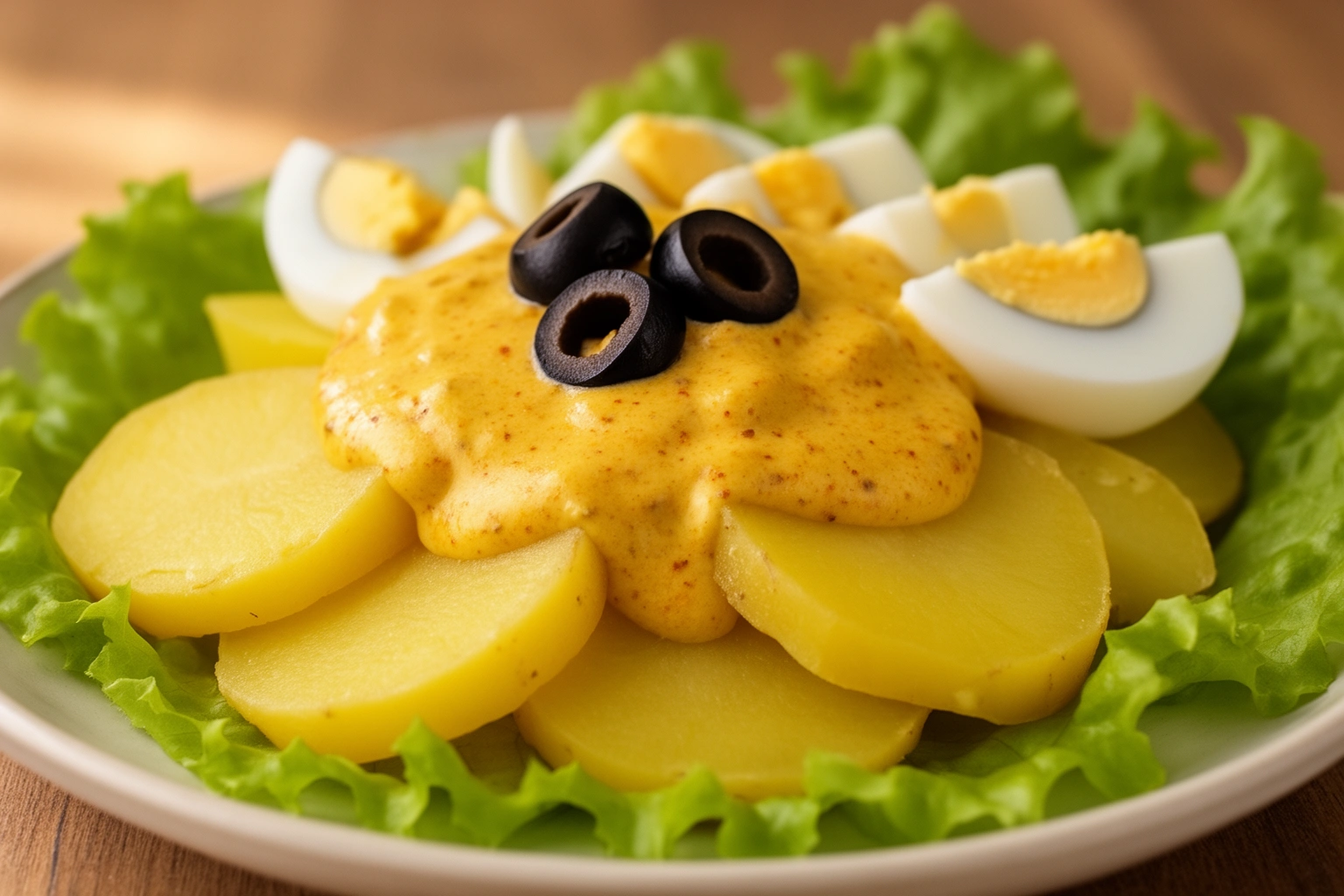
- Papa a la huancaina is sliced boiled potatoes topped with a creamy sauce of ají amarillo, queso fresco, and evaporated milk, typically served cold.
- Ají amarillo is the ingredient that defines the dish; substituting a generic hot sauce or milder pepper produces a noticeably flatter, less distinct flavor.
- Traditional garnishes are black olives, hard-boiled egg, lettuce leaves, and sometimes white corn kernels, not just a random vegetable garnish.
- Yellow potatoes specifically, not russets, give the dish its proper texture and color; some US restaurants substitute russets out of convenience.
- Restaurants serving a broader Peruvian menu, ceviche, lomo saltado, ají de gallina, are more likely to execute the huancaina sauce with genuine authenticity.
- The sauce should be smooth, pourable but not watery, spicy but balanced, never separated or oily on top.
What Papa a la Huancaina Actually Is
Papa a la huancaina is a Peruvian appetizer of sliced boiled potatoes covered in a creamy, spicy sauce made from ají amarillo peppers, queso fresco, and evaporated milk, typically served cold. The name references Huancayo, a city in Peru’s central highlands, and the dish has become one of the country’s most recognizable starters, appearing on nearly every Peruvian restaurant menu both domestically and abroad.
Why Ají Amarillo Is Non-Negotiable
Ají amarillo gives the sauce its signature bright yellow color, moderate heat, and a distinct fruity, slightly floral flavor that no other pepper genuinely replicates. Restaurants that substitute a generic hot sauce, a different chili variety, or skip the pepper’s fresh preparation entirely produce a sauce that might look similar but tastes noticeably flatter and less complex. If a restaurant’s huancaina sauce tastes like plain spicy mayonnaise rather than something with real depth and a specific chili character, that’s a legitimate sign the ají amarillo wasn’t handled properly, or was substituted altogether.
The Traditional Garnishes
Black olives, hard-boiled egg slices, and lettuce leaves are the standard accompaniments, with white corn kernels appearing in many regional versions as well. These garnishes aren’t arbitrary decoration; the egg and olives specifically add textural and flavor contrast to the creamy sauce, and their consistent presence across most authentic versions is itself a marker of a kitchen following the traditional presentation rather than improvising.
How to Judge Quality Before You Order
The sauce should be smooth and pourable without being watery, spicy but balanced rather than overwhelming, and it should never look separated or oily on the surface. Yellow potatoes, not russets, are traditionally used, since their texture and color are part of what makes the dish look and taste right; some restaurants outside Peru substitute russets for convenience, which changes both the visual presentation and the potato’s texture against the sauce.
What a Rushed or Substituted Version Looks Like
A sauce that separates into an oily layer on top, or one that tastes primarily of dairy with only a faint hint of spice, suggests either poor ingredient quality or a rushed preparation. Potatoes that are mushy or falling apart rather than holding a clean, sliceable shape indicate they were overcooked, a small but noticeable failure since the dish depends on a clean visual and textural contrast between the firm potato and the creamy sauce.
Where to Look for an Authentic Version
Dedicated Peruvian restaurants, particularly ones with a broader traditional menu including ceviche, lomo saltado, and ají de gallina, are consistently more likely to execute papa a la huancaina with genuine authenticity than a generic Latin American restaurant. That breadth signals a kitchen with real grounding in Peruvian cuisine as a whole, not a single dish borrowed to diversify an unrelated menu.
What a Broader Peruvian Menu Signals
A restaurant confident enough to also offer ceviche, which requires precise citrus and fish-curing technique, is more likely to handle the specific ají amarillo preparation huancaina sauce demands. Restaurants that source ají amarillo paste specifically, rather than a generic substitute, and mention it directly in their menu description, are signaling a stronger commitment to authenticity than one relying entirely on convenient replacements.
Neighborhoods and Cities With Strong Peruvian Communities
Cities like New York, Miami, Los Angeles, Chicago, and Houston all have established Peruvian dining scenes with multiple restaurants capable of executing the dish properly. Within these cities, restaurants in neighborhoods with a concentrated Peruvian community tend to prioritize authenticity over broad crowd appeal, since their core customer base already knows what the dish should taste like.
How to Search and Read Reviews Effectively
Search for Peruvian restaurants specifically rather than a generic “Latin food near me” query, and prioritize reviews mentioning specific details like the sauce’s spice balance, potato texture, or freshness over a plain star rating. Photos are especially useful here, since a properly made huancaina sauce has a distinct, vibrant yellow color that’s hard to fake, and a photo showing a dull, pale, or visibly separated sauce is a legitimate reason for caution.
What Detailed Reviews Should Mention
Look specifically for language describing the sauce as “creamy,” “spicy but balanced,” or comparing it directly to a version eaten in Peru or at a well-regarded Peruvian restaurant. Reviews that only mention general satisfaction without describing texture or flavor tell you comparatively little about whether the kitchen actually nailed the specific balance this dish requires.
Regional and Modern Variations
Some modern interpretations add avocado, extra queso fresco, or serve the dish warm rather than cold, and while these variations move away from tradition, they can still be genuinely enjoyable depending on execution. A few restaurants also offer a milder version for diners sensitive to spice, adjusting the ratio of ají amarillo without eliminating it entirely, which preserves more of the dish’s character than a version that removes the pepper altogether.
Is It Always Vegetarian?
Traditional papa a la huancaina is vegetarian, built entirely from potatoes, cheese, chili, and egg garnish, making it a reliable option for vegetarian diners exploring a Peruvian menu. It’s worth confirming with the specific restaurant regardless, since ingredient substitutions or shared kitchen equipment can occasionally introduce exceptions worth knowing about in advance.
What to Pair It With
Papa a la huancaina works well as a starter before heartier Peruvian mains like lomo saltado or ají de gallina, and its cool, creamy character makes it a natural counterpoint to hotter or heavier dishes on the same table. A crisp white wine or a light beer complements the dish’s spice without competing with the sauce’s richness, and Peruvian purple corn-based Chicha Morada is a traditional, non-alcoholic pairing worth trying if it’s available.
Making It at Home
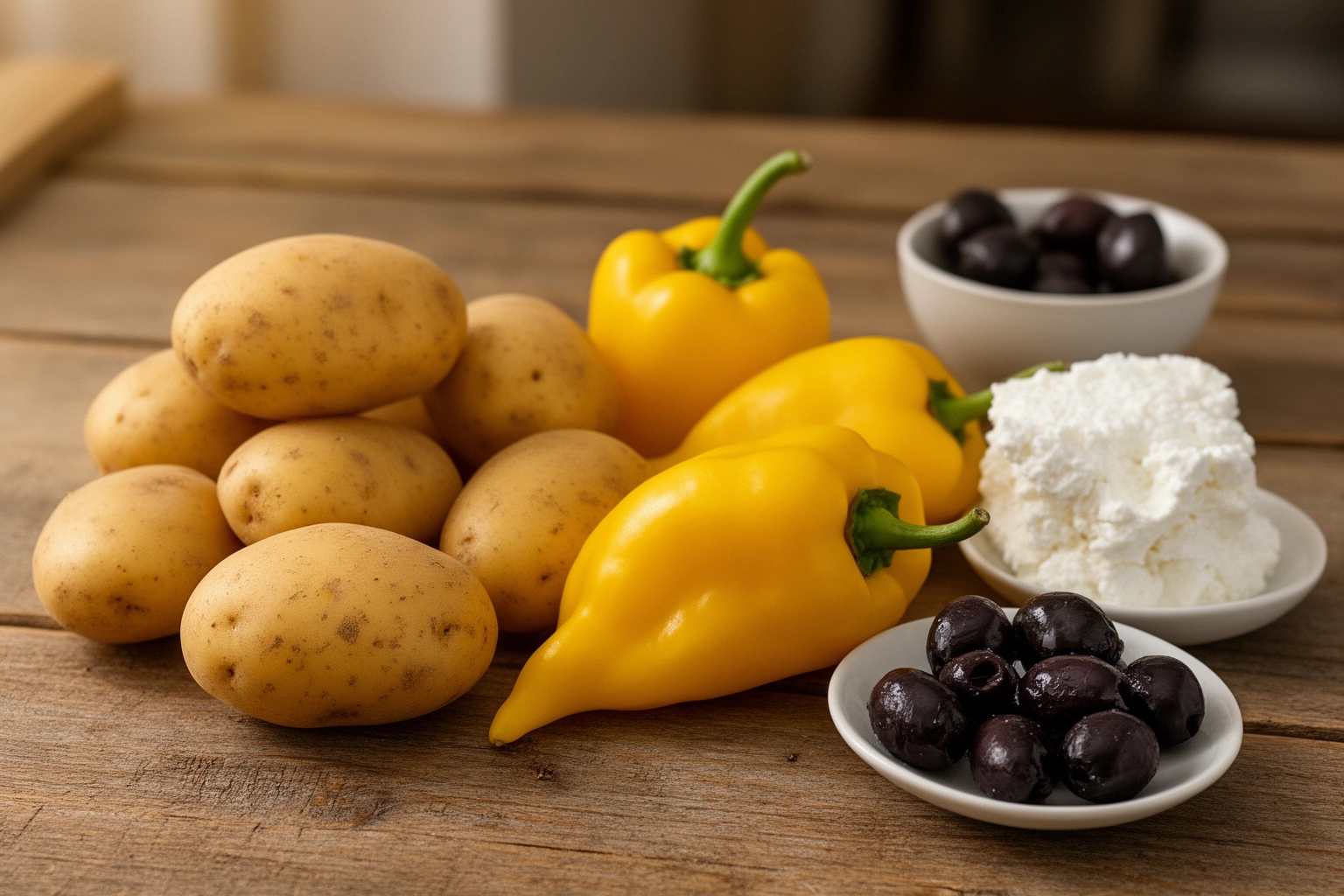
A proper homemade version starts with blending fresh or paste ají amarillo with queso fresco, evaporated milk, and a bit of oil until smooth, then pouring it over freshly boiled, sliced yellow potatoes. Sourcing genuine ají amarillo paste, available at most Latin American grocery stores, matters more than any other single ingredient decision, since substituting a different hot sauce is exactly the shortcut that produces the flat, generic version described earlier. Garnish with black olives, hard-boiled egg slices, and lettuce, and chill before serving for the traditional cold presentation.
Check These Related Articles
- Best Provoleta Al Horno Near Me: Complete Guide
- Best Tarta De Acelga Near Me: Complete Guide
- Best Sopa Criolla Near Me: Complete Guide
- Best Guiso De Lentejas Near Me: Complete Guide
- Best Chuflay Cocktail Near Me: Complete Guide
Judging papa a la huancaina the right way uses the same approach that worked for finding an authentic sopa criolla: check whether the broader menu reflects genuine depth in the cuisine, watch for the one specific ingredient that defines the dish rather than a convenient substitute, and trust detailed reviews describing texture and flavor over a star rating alone.
Frequently Asked Questions
What exactly is papa a la huancaina?
It’s a Peruvian appetizer of sliced boiled potatoes topped with a creamy sauce made from aíí amarillo peppers, queso fresco, and evaporated milk, typically served cold with olives and egg.
Why is aíí amarillo so important to this dish?
It gives the sauce its signature yellow color, moderate heat, and distinct fruity flavor. Substituting a generic hot sauce produces a noticeably flatter, less authentic result.
What are the traditional garnishes for papa a la huancaina?
Black olives, hard-boiled egg slices, lettuce leaves, and sometimes white corn kernels.
Does it matter what type of potato is used?
Yellow potatoes are traditional; some restaurants outside Peru substitute russets for convenience, which changes both the texture and visual presentation.
Is papa a la huancaina vegetarian?
Yes, traditionally it’s fully vegetarian, built from potatoes, cheese, chili, and egg garnish.
What restaurant signals suggest an authentic version?
A restaurant with a broader traditional Peruvian menu, including ceviche, lomo saltado, and ají de gallina, is more likely to execute the dish authentically.
What are the signs of a poorly made or rushed version?
A separated or oily sauce, one tasting mostly of dairy with little spice, or mushy rather than cleanly sliced potatoes are the clearest warning signs.
How do you make an authentic version at home?
Blend aíí amarillo paste with queso fresco, evaporated milk, and oil until smooth, then pour over sliced boiled yellow potatoes and garnish with olives and egg.