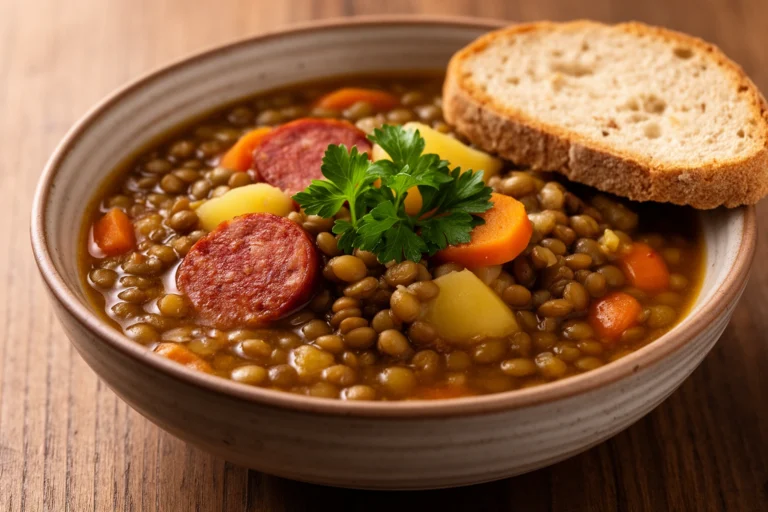
Sopa criolla doesn’t show up on most restaurant menus, even in cities with a real Peruvian population, and that scarcity is exactly why it’s harder to find than dishes like ceviche or lomo saltado. When you do track it down, execution varies wildly: a mediocre version tastes thin and forgettable with mushy noodles, while a properly made one is hearty, complex, and built on a beef bone broth that’s clearly been simmered for hours. Searching “best sopa criolla near me” usually means you already know the difference, and you’re tired of restaurants treating it as an afterthought.
This guide breaks down exactly what defines an authentic sopa criolla, where it actually shows up on menus, and how to search in a way that gets you real results instead of generic Latin American listings.
- Sopa criolla is a Peruvian beef bone broth soup with thin noodles, tomatoes, ají panca, and evaporated milk, finished with a fried or poached egg on top.
- Searching “best sopa criolla near me” directly rarely works well; searching for Peruvian restaurants specifically and checking menus is far more effective.
- Restaurants that also serve lomo saltado, ají de gallina, or causa are more likely to execute sopa criolla correctly than a generic Latin American menu.
- Peruvian bakeries, casual lunch spots, and grocery store cafés often execute the dish better than formal restaurants trying to modernize it.
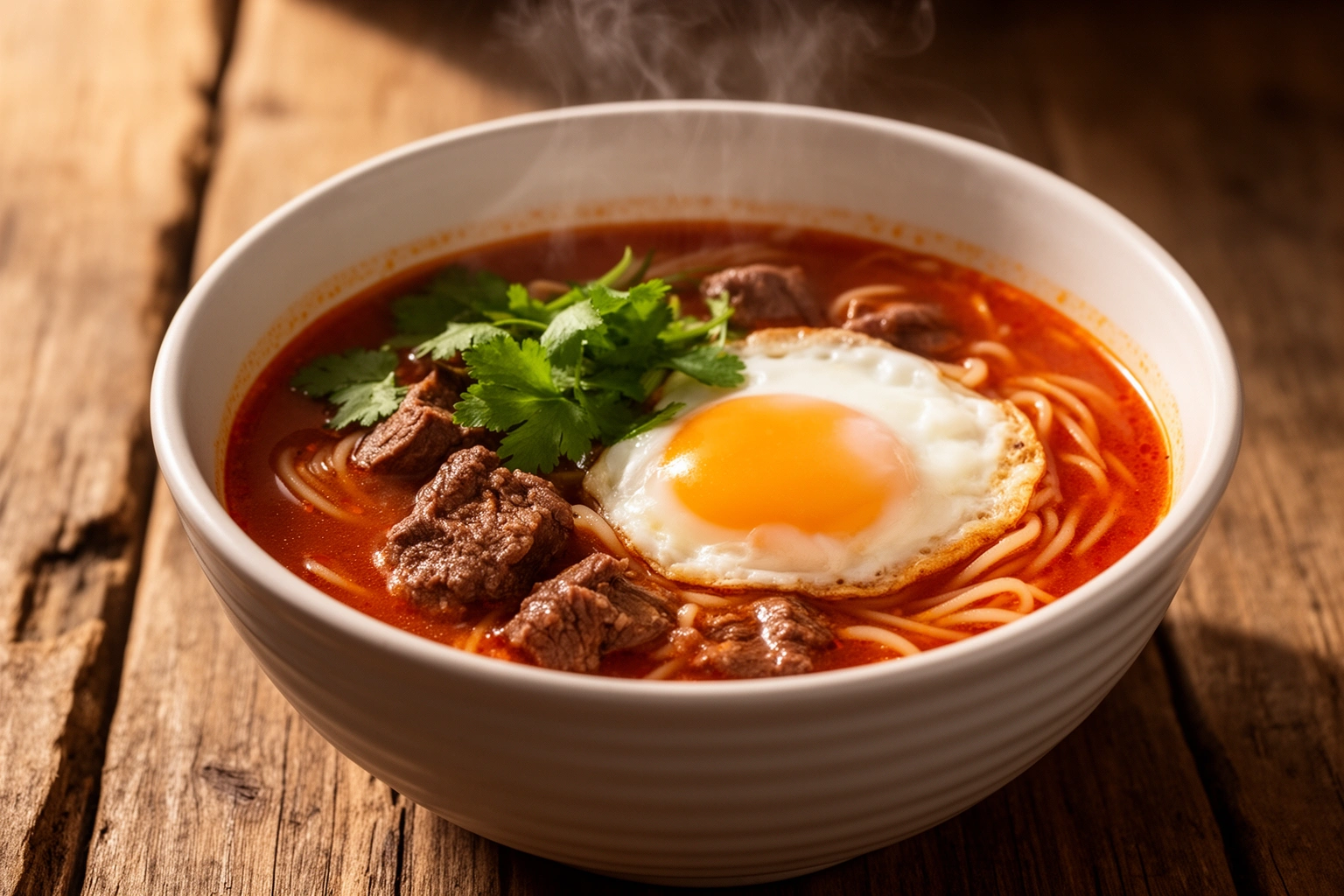
- A properly made version has a deep reddish broth from ají panca, tender beef, al dente noodles, and real body, never a thin or watery liquid.
- Some cooks add hot dog slices or diced ham as a home-style touch; neither that nor a strictly beef-only version is more “correct.”
What Sopa Criolla Actually Is
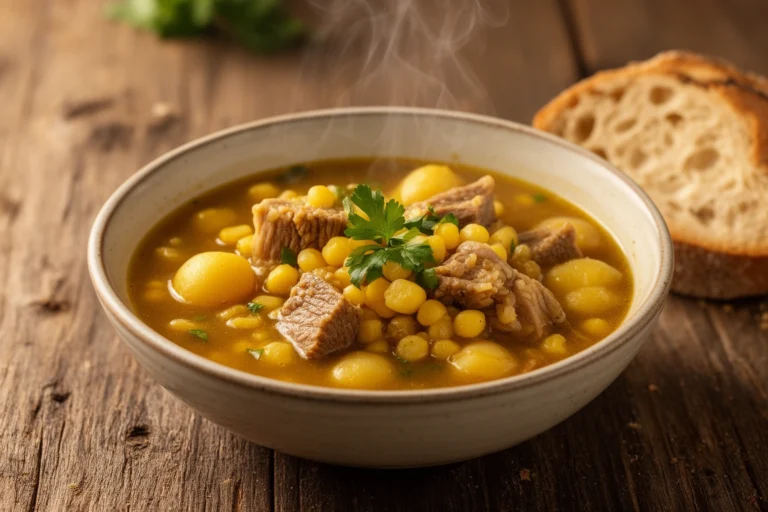
Sopa criolla is a Peruvian soup built on a rich beef bone broth, thin noodles, tomatoes, onions, garlic, and ají panca chili, typically finished with evaporated milk and a fried or poached egg on top. The name translates to “creole soup,” and the dish draws directly from the blend of Spanish and indigenous culinary influences that defines much of Peruvian home cooking. It has been part of Peruvian family kitchens for generations, especially popular during cooler weather, and remains one of the country’s most recognizable comfort foods.
The Ingredients That Actually Define It
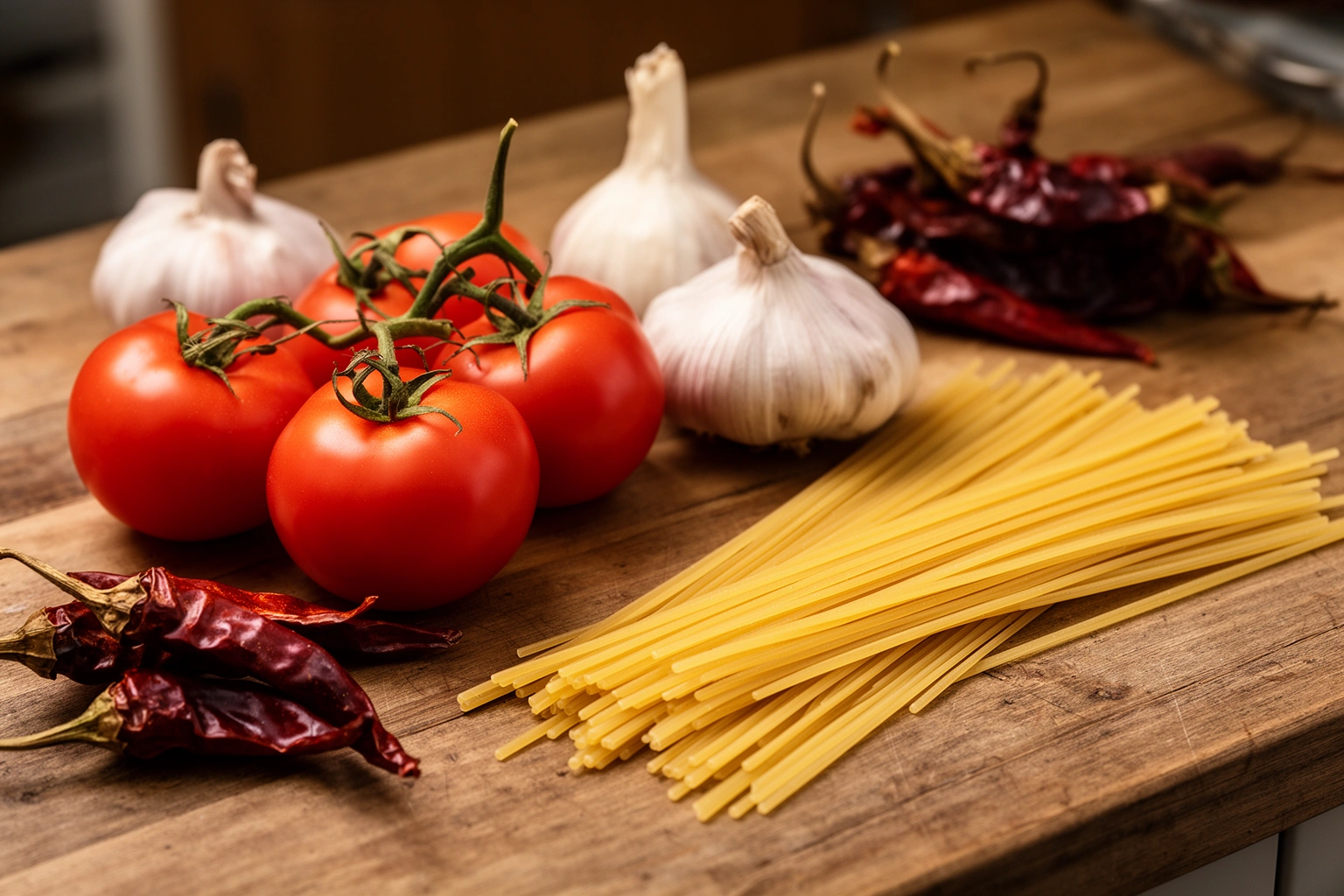
Ají panca, a mild, smoky Peruvian chili pepper, is what gives the broth its signature reddish color and distinctive smoky depth; without it, the soup loses its particular Peruvian character even if every other ingredient stays the same. The broth should be built from real beef bone, simmered long enough to develop genuine body and richness rather than tasting like it came from a can or box. Thin noodles, typically angel hair, go in near the end of cooking specifically so they stay al dente rather than turning mushy from sitting in the broth too long.
Why It’s Genuinely Hard to Find
Sopa criolla simply doesn’t appear on most restaurant menus, even in cities with an established Peruvian population, since many Peruvian restaurants prioritize higher-profile dishes like ceviche or lomo saltado for a broader audience. That scarcity means understanding exactly where Peruvian food is taken seriously, and what to ask before ordering, matters more here than with almost any other dish on this list.
How to Judge Quality Before You Order
A properly made sopa criolla should show a deep reddish broth from ají panca, tender beef, al dente noodles, and real body from a long-simmered bone broth, never a thin, watery liquid with mushy noodles. The broth should taste like it was built carefully over time, with visible herbs and clearly tender beef pieces rather than an ingredient list that reads right but executes poorly.
Warning Signs Worth Watching For
A thin, forgettable broth with mushy noodles is the most common failure mode, usually a sign the kitchen skipped the beef bone broth step entirely or rushed the noodles by adding them too early. UK-based fusion attempts specifically tend to water down the recipe by skipping the evaporated milk or substituting a bland generic stock, a difference immediately noticeable to anyone who’s had the dish in Lima or a Peruvian household kitchen. A restaurant confident enough to offer traditional garnishes, fresh herbs, a lime wedge, or ají amarillo on the side, usually signals a kitchen that genuinely respects the dish’s roots rather than adapting it into something unrecognizable.
What the Broader Menu Tells You
A genuine Peruvian kitchen will typically feature other staples like lomo saltado, ají de gallina, or causa alongside sopa criolla, rather than presenting it as an isolated novelty item borrowed to diversify a generic Latin American menu. That breadth suggests the chef has real grounding in Peruvian cuisine as a whole, not just a single recognizable dish pulled in for variety.
How to Actually Search for It
Searching “best sopa criolla near me” directly rarely produces useful results; searching specifically for Peruvian, Latin American, or Andean restaurants and then checking menus or calling ahead is far more effective. Google Maps and Yelp are reasonable starting points, but the dish’s relative rarity on menus means a more targeted approach pays off.
Using Reservation and Review Platforms Strategically
OpenTable and Resy both let you filter by cuisine type; searching specifically for Peruvian or Latin American restaurants and then scanning full menus for sopa criolla by name is more productive than a generic keyword search. If a restaurant explicitly lists the dish, that alone is a meaningful signal that someone in the kitchen genuinely understands Peruvian cooking rather than serving a narrow, tourist-facing menu.
Community Sources Often Beat Mainstream Review Sites
Peruvian community groups and forums on Facebook or Reddit frequently have far better, more specific information than mainstream review platforms. Searching “[your city] Peruvian food” or “[your area] Peruvian restaurants” and asking directly within those communities tends to surface the restaurants that genuinely do the dish right, since these recommendations come from people who grew up eating it.
Social Media as a Discovery Tool
Instagram and TikTok have become genuinely useful discovery tools, with independent Peruvian restaurants often showcasing sopa criolla preparation in real time. Searching location-tagged posts or Peruvian food hashtags relevant to your city can reveal smaller, family-run establishments that don’t rank highly on traditional search engines, precisely because they cater primarily to the local Peruvian community rather than a broader, less discerning customer base.
Where to Look Beyond Standard Restaurants
Peruvian bakeries, casual lunch spots, grocery store cafés, and cultural festivals frequently serve sopa criolla executed better than formal restaurants attempting to modernize the dish. These informal venues aren’t trying to innovate or adapt the recipe; they’re serving what the people running them grew up eating at home, which often translates directly into a more faithful, satisfying bowl.
Family-Run Restaurants in Peruvian Neighborhoods
Family-run Peruvian restaurants operating for years within established Peruvian neighborhoods tend to serve the most authentic versions, since they’re cooking for a community that already knows what the dish should taste like rather than adapting for unfamiliar palates.
Peruvian Seafood Restaurants and Rotisserie Chicken Spots
Peruvian seafood restaurants, despite specializing primarily in ceviche and similar dishes, often serve excellent sopa criolla during lunch hours as a secondary menu item. Peruvian rotisserie chicken restaurants frequently include several classic comfort dishes alongside their signature chicken, sopa criolla among them.
Grocery Store Cafés and Cultural Festivals
Some Latin grocery stores operate small attached cafés serving homemade Peruvian meals, often at more affordable prices than a full restaurant while maintaining genuinely authentic preparation. Cultural festivals featuring Peruvian food vendors are also worth checking specifically, since vendors at these events frequently use traditional recipes and imported ingredients they might not bother sourcing for daily restaurant service.
Regional and Home-Style Variations
Some home cooks add hot dog slices or diced ham as a home-style touch, while others keep the dish strictly beef-based, and neither approach is more “correct” than the other. Knowing this variation exists helps you evaluate a menu more critically rather than assuming any single version is the definitive one. Some versions also incorporate cheese or a fried egg specifically rather than a poached one, small choices that reflect individual family and regional preference rather than any universal standard.
What Pairs Well With It
Fresh herbs, a wedge of lime, crusty bread, and sometimes ají amarillo on the side round out a proper sopa criolla meal. On a broader Peruvian menu, ceviche often serves as the headline dish showcasing fresh fish cured in citrus, and its presence alongside sopa criolla is a strong sign the kitchen handles both cold and hot preparations with equal care. Anticuchos, grilled skewers marinated in a smoky spice blend, frequently appear as starters and reflect the same attention to layered flavor a good sopa criolla requires.
Making It at Home
A proper homemade version starts with sautéing onion, garlic, and ají panca, then building in tomato paste and ground or strip beef before adding boiling stock and simmering, with the noodles added only in the final few minutes. Evaporated milk gets stirred in right at the end, off the heat, to avoid curdling, and the finished bowl is typically topped with a slice of fried bread and a fried egg, garnished with fresh parsley. The whole process comes together in under an hour, making it a genuinely practical dish to attempt at home if no local restaurant executes it well.
Check These Related Articles
- Best Guiso De Lentejas Near Me: Complete Guide
- Best Chuflay Cocktail Near Me: Complete Guide
- Best Pasticho Venezuelan Lasagna Near Me: City Guide
- Best Ensalada De Garbanzos Near Me: Complete Guide
- Best Locro De Zapallo Near Me: Complete City Guide
Tracking down an authentic sopa criolla uses the same strategy that worked for finding a properly made guiso de lentejas: search for the specific cuisine rather than a generic keyword, check whether the broader menu reflects real depth in that tradition, and don’t overlook informal venues like bakeries, grocery cafés, and festival vendors that often outperform formal restaurants on dishes this specific.
Frequently Asked Questions
What exactly is sopa criolla?
It’s a Peruvian soup built on beef bone broth, thin noodles, tomatoes, and ájí panca chili, typically finished with evaporated milk and a fried or poached egg on top.
Why is sopa criolla harder to find than other Peruvian dishes?
Because it doesn’t appear on most restaurant menus even in cities with Peruvian populations, since many Peruvian restaurants prioritize higher-profile dishes like ceviche or lomo saltado.
How should you search for sopa criolla effectively?
Search specifically for Peruvian, Latin American, or Andean restaurants and check their menus directly, rather than searching the dish name alone.
What separates an authentic sopa criolla from a mediocre one?
A deep reddish broth from ájí panca, tender beef, al dente noodles, and real body from a long-simmered bone broth, never a thin or watery liquid.
What menu signals suggest a restaurant makes sopa criolla well?
A restaurant that also serves lomo saltado, ají de gallina, or causa is more likely to execute sopa criolla correctly than one with a narrow, generic Latin American menu.
Are there other places besides restaurants to find sopa criolla?
Peruvian bakeries, casual lunch spots, grocery store cafés, and cultural festivals often execute the dish better than formal restaurants trying to modernize it.
Are there different regional variations of sopa criolla?
Some cooks add hot dog slices or diced ham as a home-style touch, while others keep it strictly beef-based; neither version is more correct.
How long does it take to make sopa criolla at home?
The whole process comes together in under an hour: sauté aromatics and ájí panca, add beef and broth, simmer, add noodles near the end, and stir in evaporated milk off the heat.